
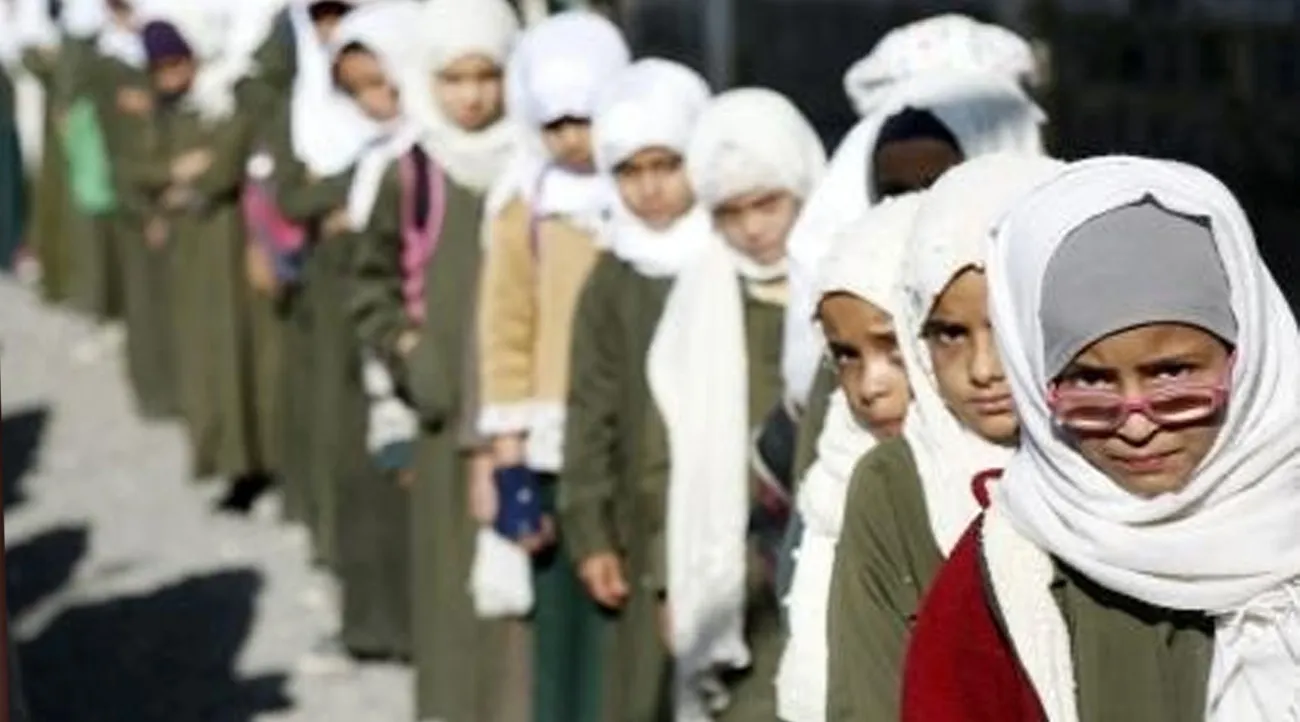
Rooted in a unique Indian-Yemeni heritage, my odyssey is not only a personal quest for knowledge but also a testament to the profound impact of education on individuals and communities, particularly women in conflict-affected regions. My ancestral ties profoundly influenced my decision to study in India. My great-grandfather was an Indian merchant who settled in Aden during the British colonial era, married a Yemeni woman, and laid the foundation for our multicultural lineage. This heritage instilled in me a sense of belonging and curiosity about India, a country that would ultimately become a crucible for my intellectual and personal growth.
For me, education is not simply a pathway to professional success but a transformative force that breathes life into existence. It is an awakening of consciousness, a journey from mere survival to truly experiencing life. Before coming to India, my academic perspective was insular, shaped by local limitations and restricted opportunities. However, the prospect of studying abroad ignited a desire for broader horizons and a deeper understanding.
Cross-Cultural Experiences in Pune
My academic journey began in Pune, Maharashtra, where I enrolled at an institute renowned for its diversity. The student body represented a mosaic of cultures and experiences, each united by a common pursuit of hope and enlightenment. In this environment, I learned the value of patience and mutual support, realising that my struggles were not unique but shared by many. The classroom became a microcosm of global solidarity, where intellectual and emotional bonds flourished.
Upon completing my undergraduate studies, I pursued a Master's degree in Women's Studies at the Tarabai Shinde Women's Studies Centre, Dr Babasaheb Ambedkar Marathwada University, Aurangabad. The name "Babasaheb" intrigued me, prompting an exploration of Dr B.R. Ambedkar's legacy as the architect of the Indian Constitution and a champion of social justice. His assertion, "I measure the progress of a community by the degree of progress which women have achieved," resonated deeply, inspiring me to commit myself to advancing women's rights, especially in Yemen.
Academic and Cultural Integration in Kerala
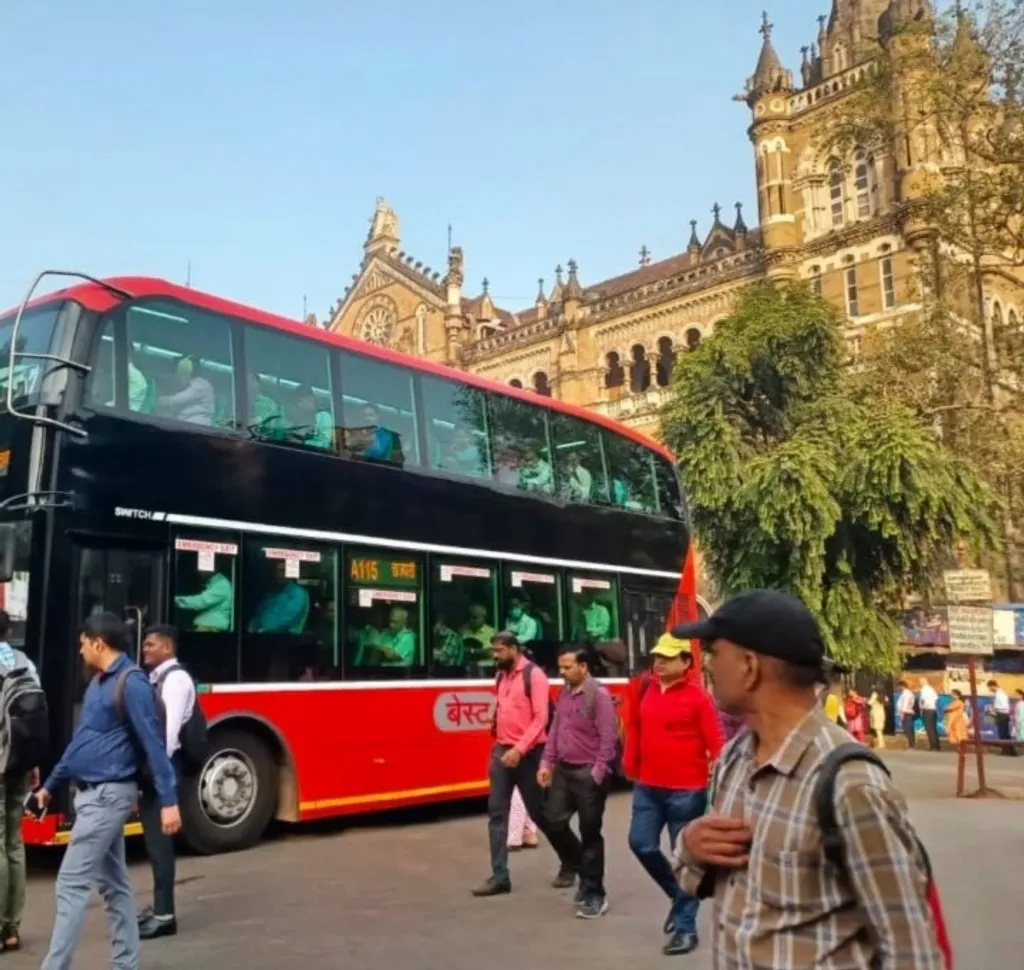
The transition to Kerala, particularly to Mahatma Gandhi University (MGU) in Kottayam, marked a significant turning point. Kottayam, celebrated as the first Indian town to achieve full literacy, embodies a vibrant intellectual tradition and cultural harmony. Despite initial challenges, such as adapting to the rigorous academic environment and overcoming language barriers, my determination was strengthened by the inclusive and supportive educational community.
Kerala's unique social fabric, characterised by religious tolerance and a deep respect for diversity, left an indelible impression on me. The unity and solidarity among its people, coupled with a strong tradition of welcoming outsiders, facilitated my integration. My family also thrived: my middle sister pursued Computer Science, while my youngest sister excelled in Electronics, becoming the first international student in her program and achieving top state honours. These successes underscore the transformative potential of supportive, inclusive educational environments.

Comparative Analysis: Women's Education in Yemen and India
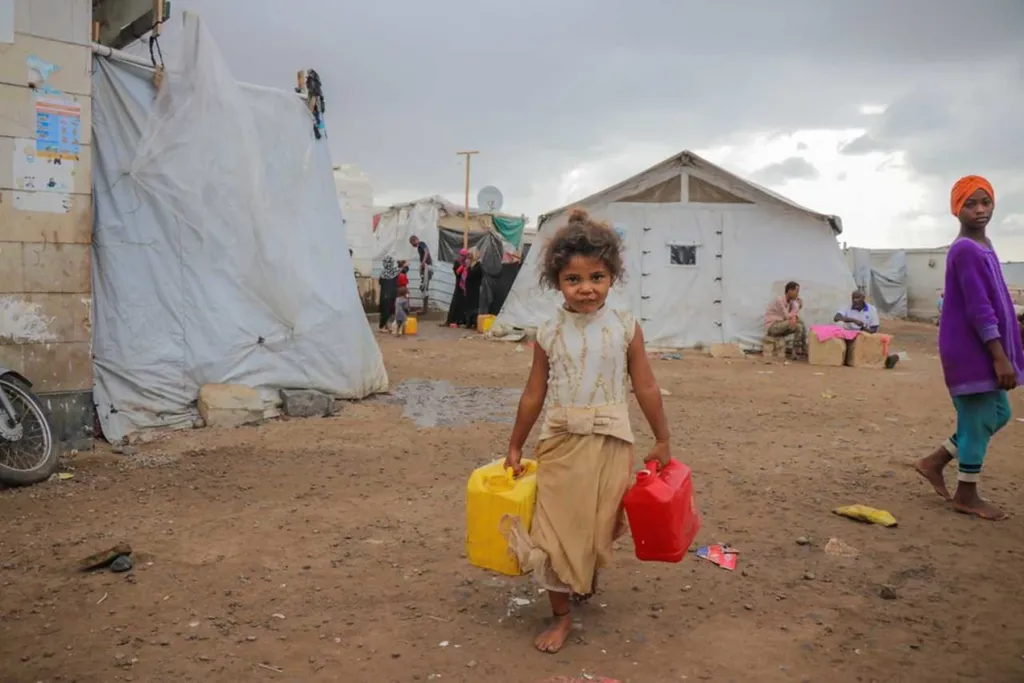
My experiences in India starkly contrast with the realities faced by women and girls in Yemen, where ongoing conflict has severely disrupted educational access. Approximately 1.5 million girls remain out of school, with cultural norms and insecurity exacerbating gender disparities, especially in rural areas. Historically, female literacy rates hover around 55%, and although youth literacy shows improvement, significant barriers persist.
Conversely, India's commitment to educational equity through legislative measures and targeted initiatives has yielded remarkable progress. Female literacy rates now approach 81% for adults and 96% for youth (ages 15-24), with near-universal primary enrolment and increasing female participation at higher education levels. These advancements illustrate the critical role of policy, social support, and cultural acceptance in fostering educational opportunities for women.
Personal Transformation and Outlook
India has been more than an academic destination; it has been a place of personal transformation. The exposure to diverse perspectives, rigorous scholarship, and inclusive environments has redefined my sense of self, instilling resilience, independence, and a renewed sense of purpose. The support and respect I received, especially as a visible Muslim woman, highlight the importance of cultural sensitivity within educational institutions.
Education, for my family and me, is not merely a stage of life but a vital means of survival, empowerment, and hope for a better future. It has given us the strength to transcend adversity, pursue excellence, and envision a future defined not by fear but by possibility and gratitude.
While Yemen's future remains uncertain, my journey has taught me to embrace hope and focus on what I can achieve through knowledge and perseverance. I am grateful for the transformation India has enabled, and I remain committed to leveraging my education, particularly in Women's Studies, to contribute meaningfully to my homeland. Ultimately, my story is one of transcending borders, overcoming obstacles, and believing in the power of education to transform lives and societies.