
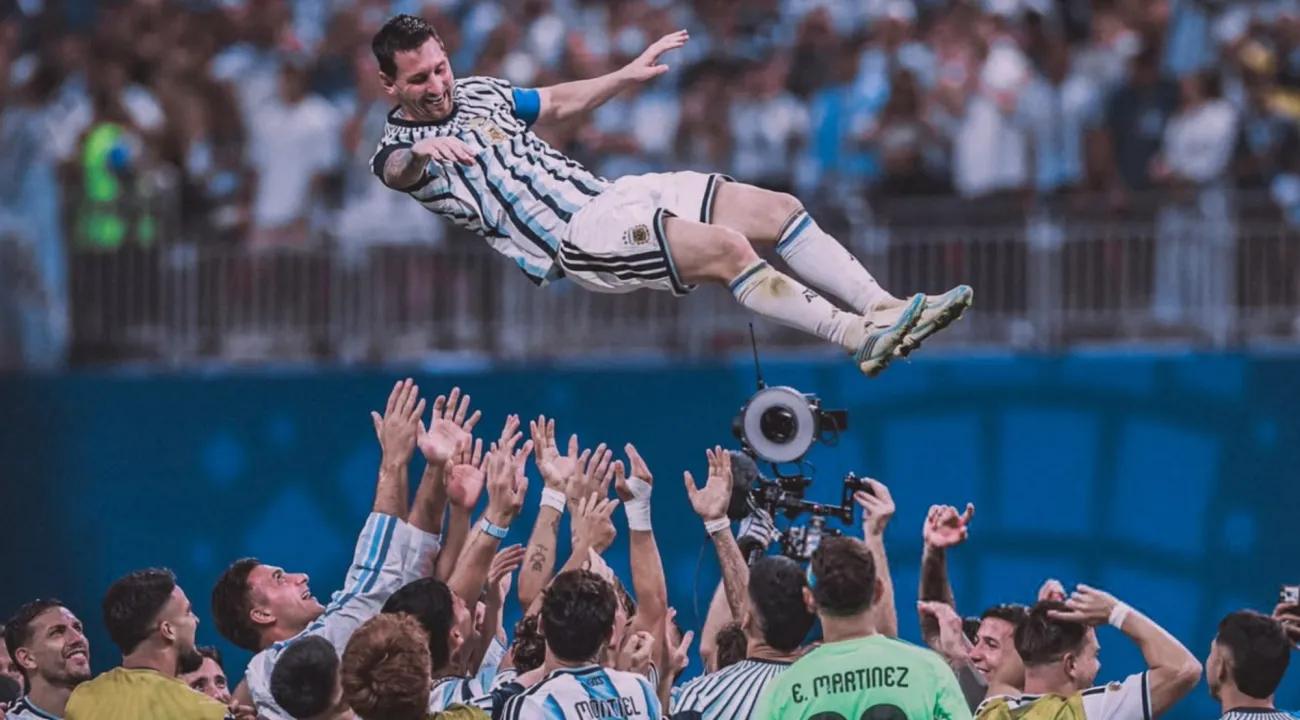
Roger Federer, tennis world’s supreme stylist, remarked recently that the biggest obstacle he faced in his long career was the demons in his mind. Lionel Messi, a champion performer in another global game, would certainly nod in agreement with such a thought. The Argentinian maestro, who retired from international football, arguably faced more intense scrutiny and endured more setbacks than the Swiss great. At many points in his long career, he too would have been nudged by the demons in his mind to simply give it all up and walk away.
“The battles you have with yourself, the mind, sometimes not wanting to practice, not wanting to play, still going out and getting it done; always having to seem happy, always having to love the life that we’ve chosen. It’s not always simple, for instance, you fly to Australia, lose early and then you fly back home and say, ‘that was supposed to be fun’, and it wasn’t. That obstacle always hits you in the face. I think that’s the greatest challenge of all for a player,” Federer said in a Tennis Channel interview, after being inducted into the Hall of Fame last Sunday (August 30).
Federer retired at 41, having won almost every honour his game had to offer. Messi, 39, called time on his international career also with a stellar record, having withstood the scrutiny of an adoring, and at times angry, fandom for more than two decades. Their expectations formed his biggest burden and the pressure almost cut short his career a decade ago when he retired for the first time after a crushing disappointment at the Copa America. That he shelved that decision and willed himself to script a remarkable story of resilience forms the heart of the Messi story that is being celebrated worldwide now, at his second, and most certainly, the final retirement.
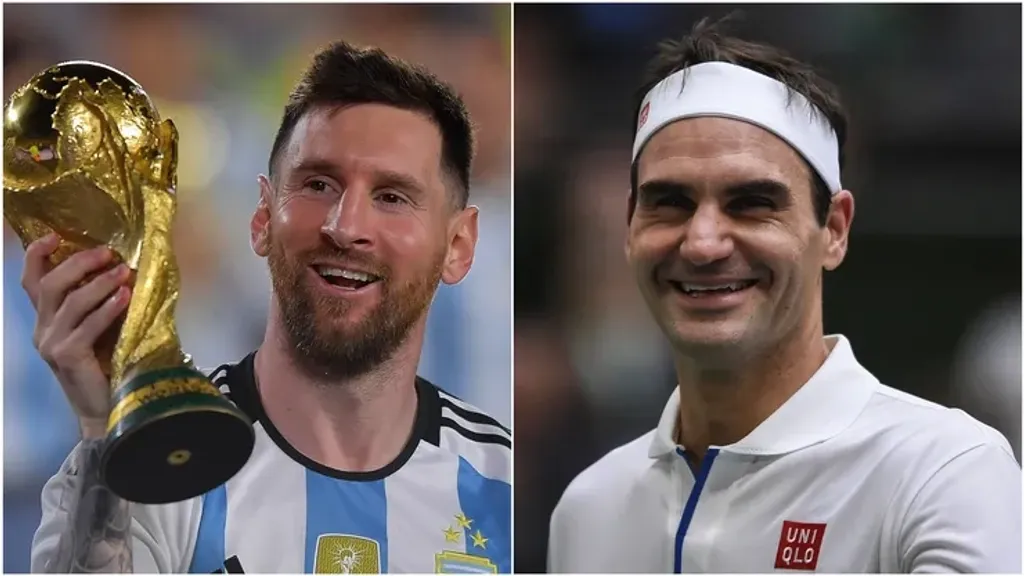
“I gave everything and I don’t have anything more to give,” Messi wrote in his retirement letter that sent the whole of Argentina and millions of his fans across the world into mourning. “I swear I always gave everything, not only in these last few years when we won everything but before that too. I always fought and gave everything for this shirt,” he repeated, perhaps alluding to the time when playing for the national team seemed to weigh him down, inviting criticism that he was a bit too soft to carry his Barcelona form to the national team’s matches.
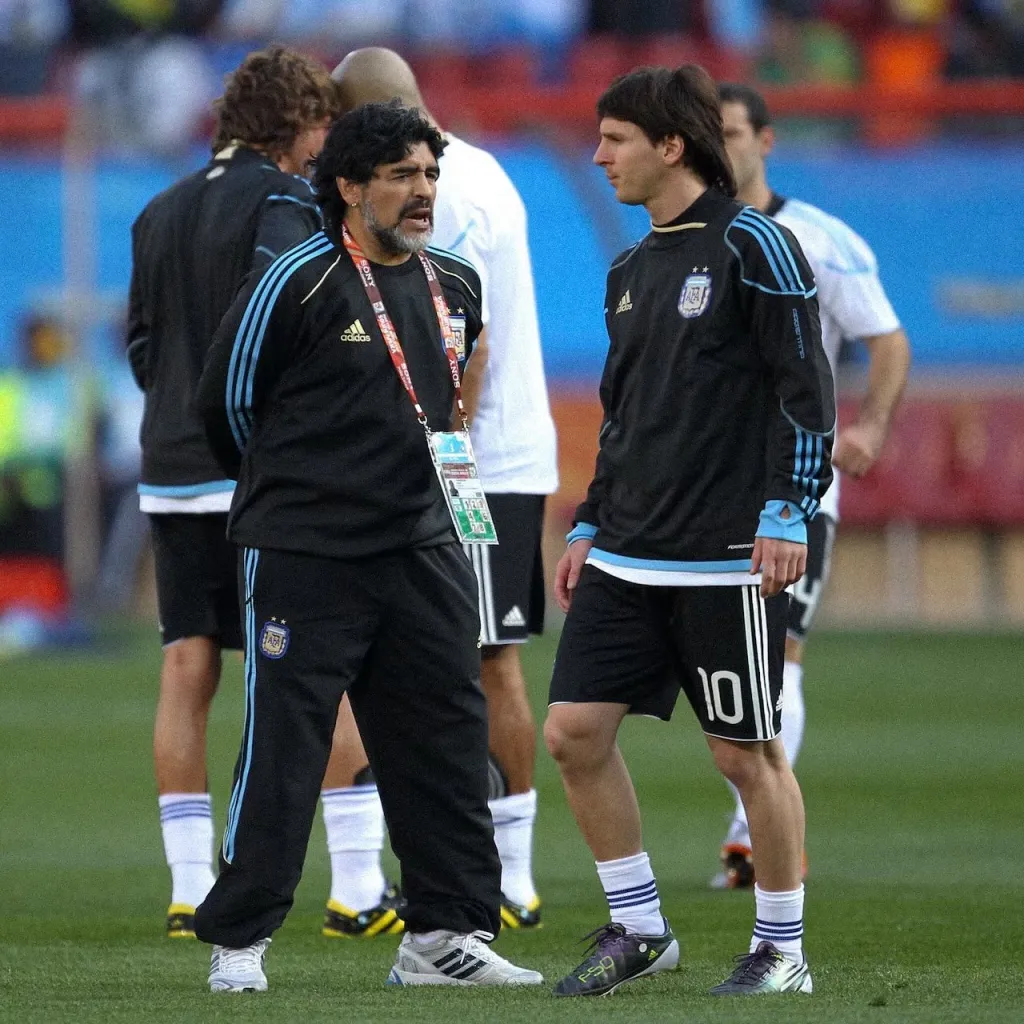
Diego Maradona, Argentina’s biggest icon before Messi came along, was among his critics. “We shouldn’t deify Messi any longer. He’s Messi when he plays for Barcelona. But he’s another Messi with Argentina. He’s a really good person but he has no personality. He lacks the character to be a leader,” Maradona had said.
The Argentinian legend was simply echoing the sentiments felt by many at the time. Three World Cups - 2006, 2010 and 2014 - had gone by without Messi fulfilling his promise and his retirement announcement in 2016 reflected his deep dejection. His comeback back from that rut, silencing his detractors and climbing the pinnacle of his sport, arguably, is his greatest achievement, above all the trophies and accolades he has earned in a stellar career. That decade-long journey was an Odyssey of sorts as it revealed the steel within, a steel that thrived in good times and weathered every storm that passed by.
Debates around the greatest player of all time frequently feature certain set names, Alfredo de Stefano, Pele, Maradona, Johan Cruyff, Franz Beckenbauer - with the shortlist invariably narrowing down to two - Pele and Maradona. Messi’s arrival and his eye-catching performances for Barcelona prompted fans to throw his name into the discussions, along with that of another sparkling star- Cristiano Ronaldo.
In contrast to story books, where even mirrors could turn adjudicators of beauty, judging greatness in the footballing world is a much more complex affair. There are no talking mirrors here -- only human minds that can argue till eternity and never reach a conclusion. Facts, figures, talent, skill, temperament, style and trophies will all come into the picture. Then there is the small question of heart.
Old-timers stuck steadfastly with Pele, placing the Brazilian above everyone else. Those born in the television age in this country wholeheartedly embraced that blazing wildfire called Maradona. And the worshippers of club football beamed down by satellite television refused to look beyond Messi. The argument in favour of Pele was overwhelming -- his three World Cup titles is an unmatched achievement and for those who still doubted his place at the top of the pantheon, videos abound, of his spectacular skills, the brilliant goals he scored, the assists he provided and the couple of near misses that are legendary -- the outrageous attempt from near the half-way line against Czechoslovakia and the cheeky dummy against Uruguay at the 1970 World Cup.
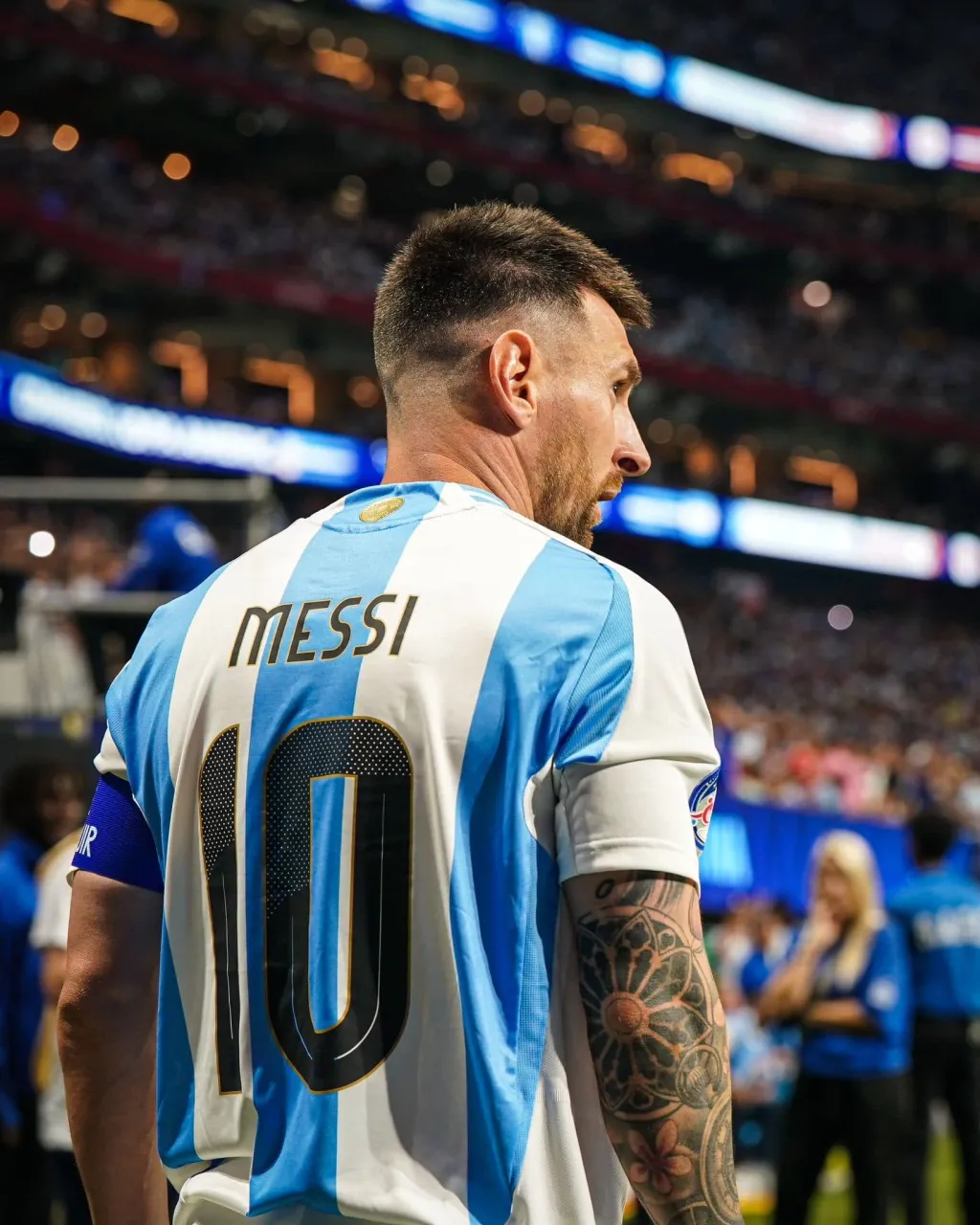
Maradona’s aura largely was built around his exploits at the 1986 World Cup. His career was blotted by the big question ‘what might have been’ had he not succumbed to the temptations that his fame, genius and money brought along. His street smart ways endeared him to his countrymen but for all his greatness, his dalliances outside the field of play ruined his reputation and career, leading to an early death.
Messi was cut from a different cloth. He certainly had his temptations as a young boy at Barcelona’s La Masia Academy but received the right guidance to carve his name in history in the club colours. He was the emperor of La Liga who went on to conquer Europe with unparalleled performances in the UEFA Champions League. It was natural to expect similar displays for La Albiceleste but Messi found the task too daunting.
Then came the 2022 World Cup. In Qatar, Messi reinvented himself, assumed the leadership role with panache and turned scorer, creator and the inspirational hub of an ambitious unit shaped by Lionel Scaloni. The team, the country and the entire Argentine fandom around the world looked up to him and he delivered. Years of setbacks had toughened him and his vision was as sharp as ever. He scored and he created. And those who provoked him paid the price, as it happened in the Round of 16 game against Australia, his 100th match as Argentina’s captain. The final against France was the ultimate test and Messi aced it to finally exorcise his demons, erasing the one blot in his book.
Looking back, Messi’s struggles might seem a bit surprising for a player of his abilities. But for the little man from Rosario, it was all about putting mind over matter. Post 2022, no one could doubt his right to sit alongside the titans of the game and even challenge them for the top spot. Having won over his detractors, the 2026 World Cup then was all about parading his class before the final bow.
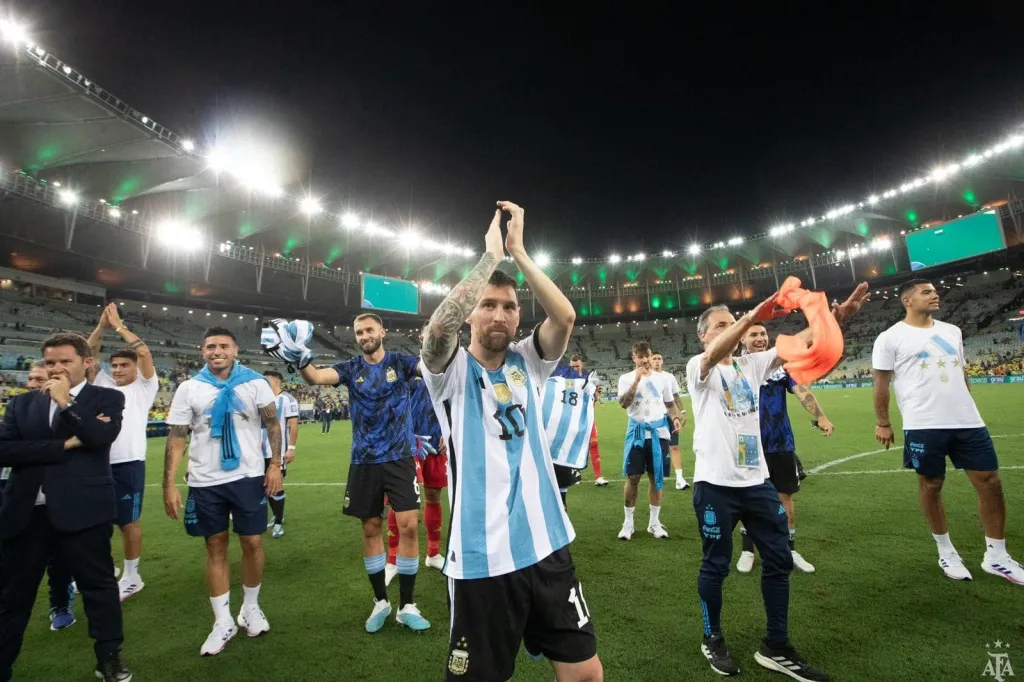
The pace of old was no longer there and he walked more than he ran. But Messi could still score and still shape play like no other. He could fire in the free-kicks that rattled goalkeepers and his mere presence warranted an extra eye from the defenders. Only a Spanish tactical masterclass in the final denied him from scripting a fairy tale farewell, with the tears that rolled down his cheeks at the final whistle revealing the character of a man who deeply cared about his game, his team and his nation.
The defeat did not matter, for the defining moment of the Messi career had arrived four years ago. Even as he embraced that moment, he cut across the boundaries of nationality, colour or race, without meaning to. And therein lies the legend of Messi that will live forever.