
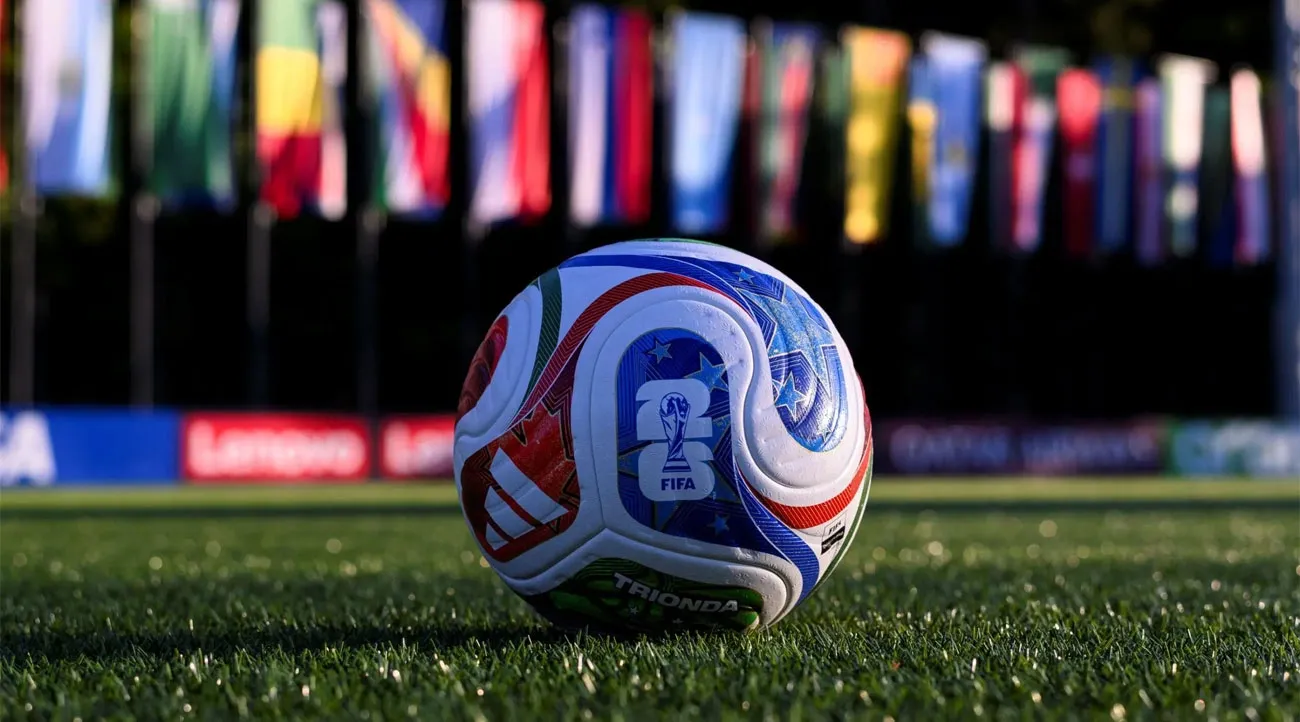
Football has always asked us to forget, just for a while. Forget the wars, the border disputes, the politicians who can’t be in the same room without their aides pre-negotiating the handshake. For ninety minutes, the deal is simple: eleven against eleven, one ball, and whatever happens outside the stadium can wait. It’s a suspension of reality that most of us are more than willing to accept.
But this one feels different.The 2026 World Cup lands in North America, carrying baggage no tournament should have to bear. Four years ago in Qatar, you could at least pretend the world was holding together. That pretence is harder to maintain now. Tense borders have hardened. Complicated relationships between governments have curdled into something worse. And before a single player has pulled on a boot, the tournament has already felt the consequences.
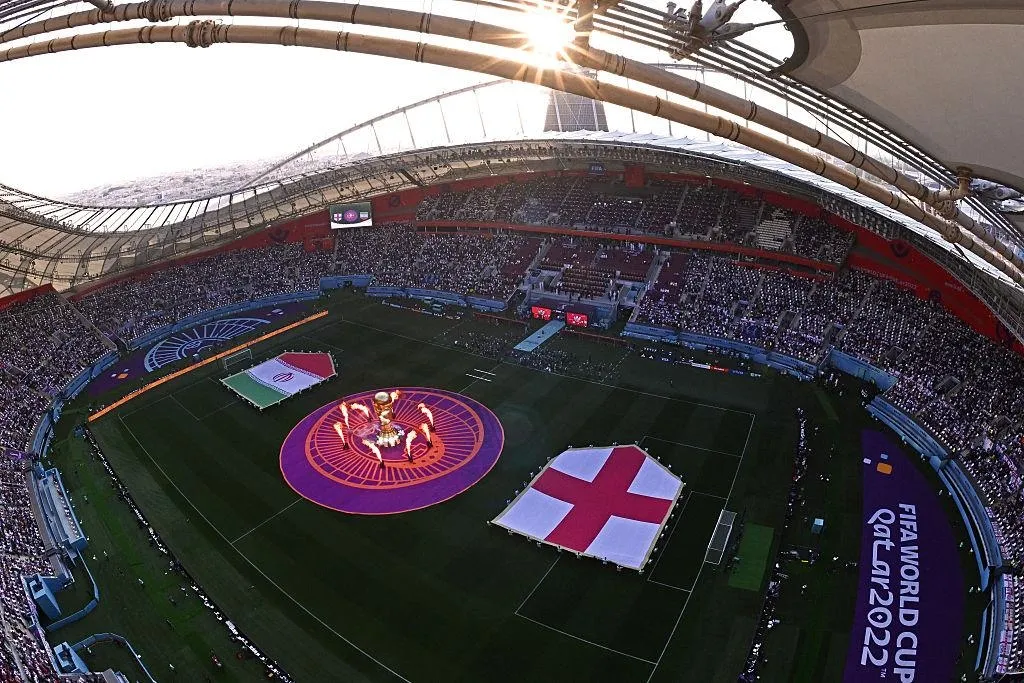
Take Iran. The Iranian squad is based in Tijuana, Mexico, a few miles from the American border, because that is as close as the politics would allow. Their original base in Tucson, Arizona, had to be abandoned due to visa complications. Several support staff, including senior federation officials, were denied entry entirely. The players got their visas, but only days before kick-off. And when they cross into the United States to play, they must do so on the morning of the match and leave immediately after the final whistle. It will be the first World Cup in which a host nation has received the team of a country it is at war with. They will not be staying for dinner.
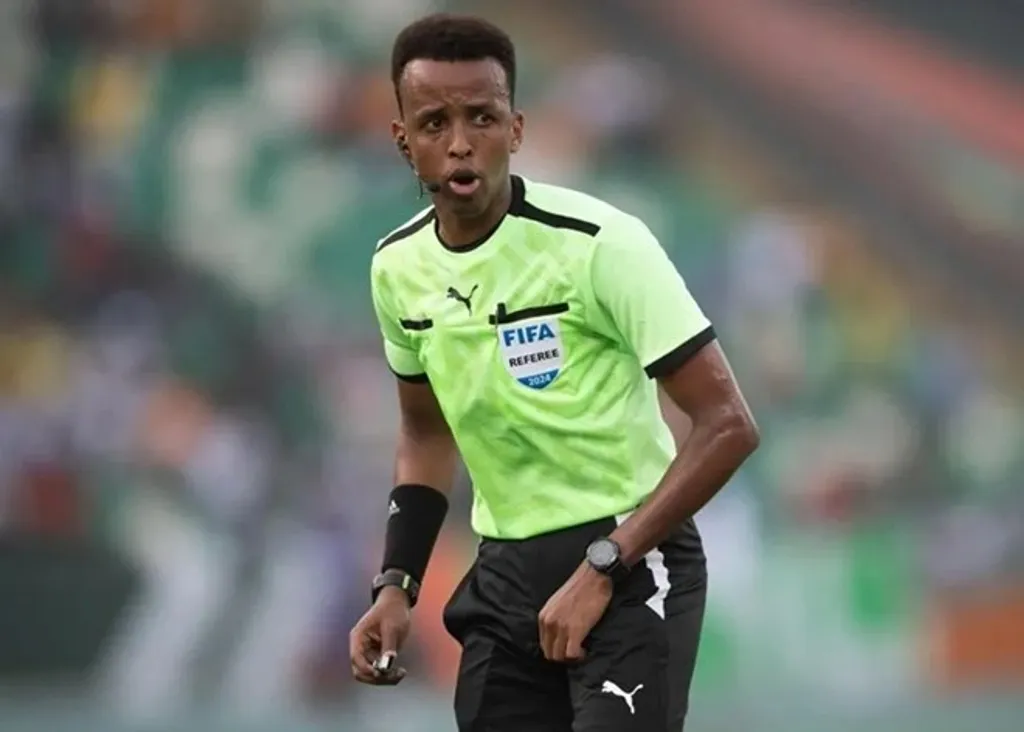
And then there’s Omar Abdulkadir Artan.He spent years getting to this point. Decades, really, if you count from when he first picked up a whistle in Somalia and started working his way through the levels of a system that had never sent anyone like him to a World Cup. When FIFA picked him for 2026, he became the first Somali referee in the tournament’s history. He had his badge. He had his visa. He had, for a moment, everything. Then he tried to enter the United States and was turned away at the border.
You can read that story as being about one man’s bad luck. Or you can read it as something the tournament would rather you didn’t dwell on.Because here’s the thing about staging the most ambitious World Cup in history right now, 48 nations, a thousand-plus players, fans converging from every continent onto cities that immigrants built: it means holding the world’s most global event inside borders that are arguing about whether they want to be open at all. The contradiction doesn’t cancel out the tournament. But it does sit in the corner of every frame.
None of this is new, exactly. The World Cup has never been a clean story. Politics has elbowed its way into every tournament worth remembering, from the ones that got moved to the ones that got boycotted to the ones where the football itself became secondary to whatever was happening outside the ground. What’s different now is that the gap between what the World Cup represents and what the world actually is has rarely felt this wide.
And yet, Countries that have cut off diplomatic ties will watch each other play. Players who grew up in nations that are quietly hostile to one another will line up for the same team photo, train on the same pitches, and shake hands before kick-off. After the final whistle, some of them will swap shirts, not as a political statement, just because that’s the done thing, because somewhere in the ritual of the game, there’s a version of respect that doesn’t require anyone to agree on anything else.
That’s nothing. It’s not a solution to anything, either. But it’s nothing.The World Cup doesn’t fix what’s broken. It never promised to. What it does, stubbornly, every four years, is make the argument that the instinct to compete together outlasts the instinct to shut each other out. It makes that argument in front of billions of people, in real time, on grass.
Some of those billions will be watching because they love football. Some will be watching because, right now, a world where even this doesn’t happen anymore is something nobody wants to think about too hard.
The whistle blows. Forty-eight nations on the pitch. Whatever else you want to say about the state of things, that’s still true.