
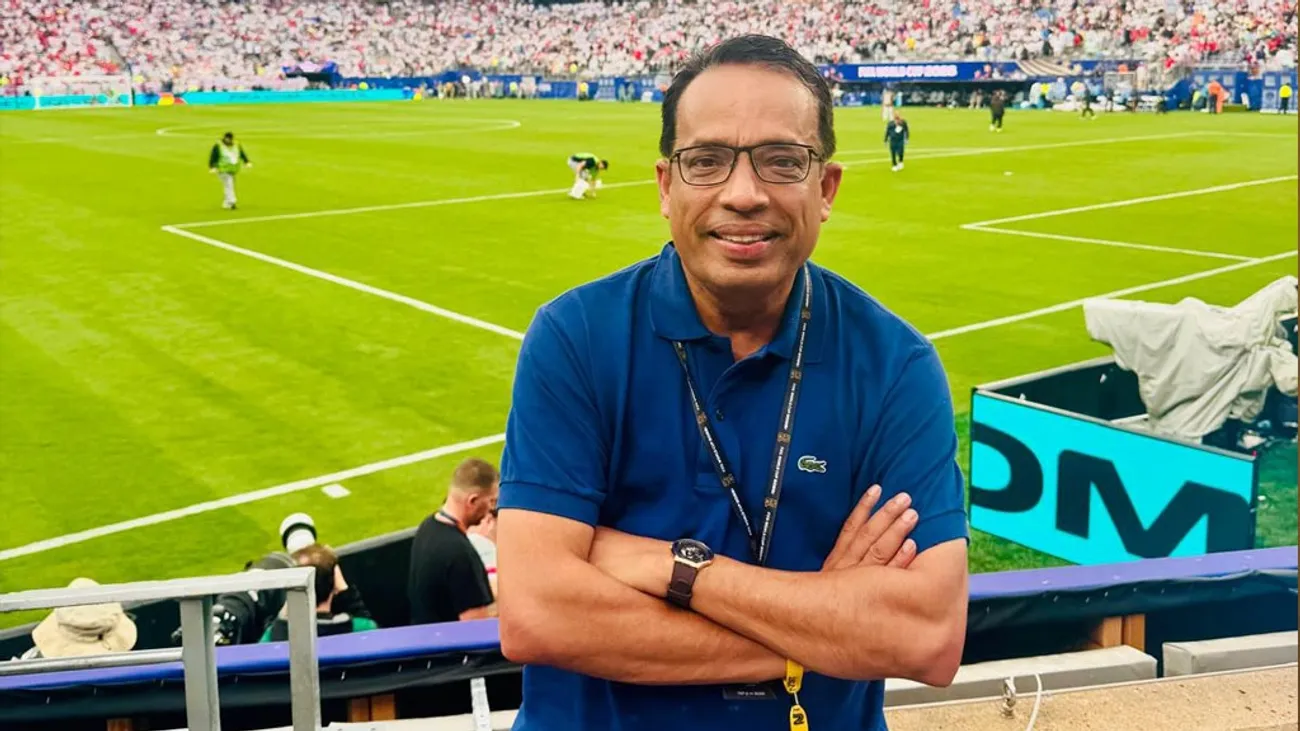
I have never been one to wear a team’s jersey to a sporting event. Perhaps it is the journalist in me. I prefer to watch the game without wearing my allegiance, even when I have a favorite.
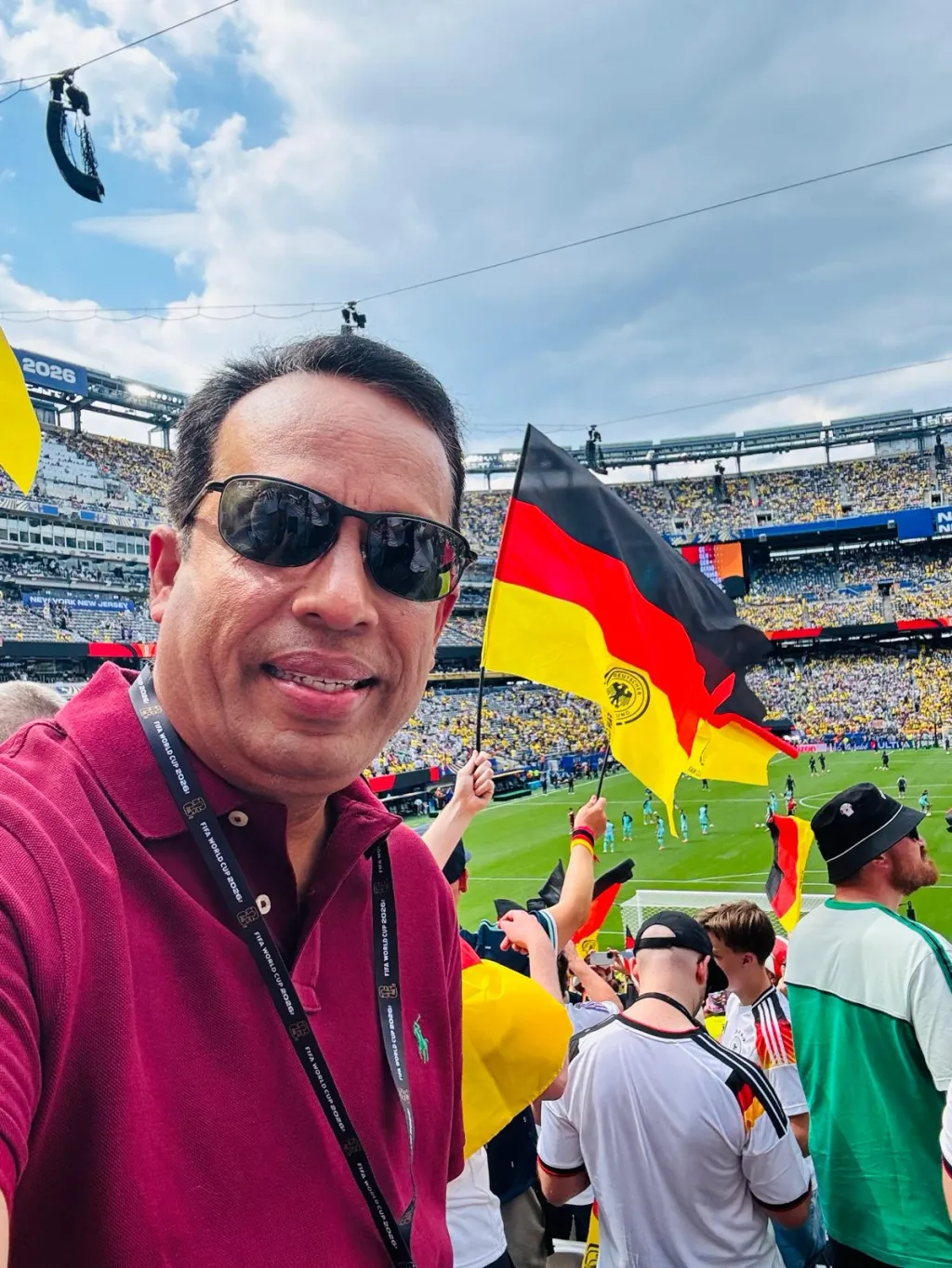
That decision made me stand out at one of the World Cup matches. I found myself seated among hardcore German supporters. Around me, almost everyone was wearing a German jersey. I was one of the few who was not.
A German fan looked at me, smiled and asked, “Are you sure you are in the right section?”
Before I could answer, he laughed and added, “You can be German for a day. Support us hard.” That, to me, is the World Cup.
I have watched four or five matches inside the stadium during this tournament, both as a football fan and as part of my reporting duties. I went with a journalist’s notebook, but also with a fan’s heart. I reported for television, wrote extensively about the tournament, observed the logistics, the crowds, the stadium experience and the larger story unfolding beyond the pitch. But some moments simply cannot be captured through statistics or analysis.
The World Cup is not just football. It is invitation. It is belonging. It is strangers becoming friends before the first whistle. It is a stadium turning into a temporary nation where passports matter less than passion.
Outside the stadiums, the celebration begins hours before kickoff. Fans arrive draped in flags, painted in national colors and wearing jerseys that have often been treasured for years. They sing in languages others may not understand, yet somehow everyone understands the emotion. Children pose for photographs with strangers. Rival supporters exchange smiles. Entire cities take on a different rhythm.
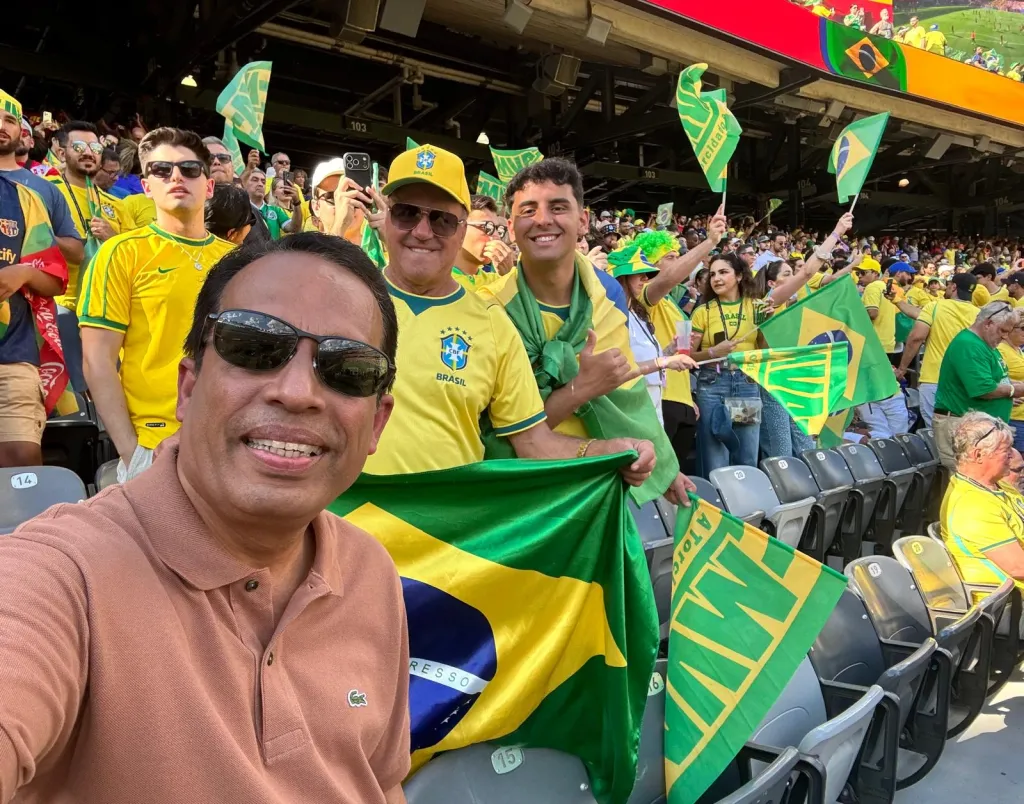
Inside the stadium, the emotions are almost overwhelming. A goal does not simply bring cheers. It unleashes an eruption that shakes the concrete beneath your feet. But what stayed with me just as much was the heartbreak. I watched German supporters stand frozen in disbelief after their team’s penalty shootout defeat. Days later, I saw the same stunned silence among Dutch fans after another painful exit on penalties. And then there was Senegal, whose World Cup dream ended with a heartbreaking late penalty. In a matter of seconds, celebration turned to tears. For ninety minutes, thousands of strangers laugh together, believe together and, sometimes, grieve together. Few events allow you to witness the full spectrum of human emotion so vividly.
As a journalist, I am trained to observe. But the World Cup makes detachment almost impossible. You can report on the crowd, yet you become part of it. You can describe the passion, yet you cannot help but feel it.
That is its magic.
This tournament also matters deeply for America. At a time when the country often debates immigration, identity and belonging, the World Cup offers a powerful reminder of what America does better than almost anywhere else, bringing the world together. Its stadiums are not just sporting venues. They are stages where global diversity becomes visible, joyful and undeniable.
In one section you may find German supporters. In another, Ecuadorians. Nearby are Indian Americans, Mexican Americans, Arab Americans, African immigrants, Europeans and visitors from every corner of the globe, all sharing the same experience. That is not just sport. It is America at its most inclusive.
The World Cup reminds us that the world is still capable of gathering without suspicion. It reminds us that national pride need not become hostility. It reminds us that even in a divided age, joy can still cross borders. I went to the World Cup as a journalist and a fan. I came away with something more lasting.
That German fan probably forgot our conversation the moment the match began. I never will. Because in a single sentence, he captured everything the World Cup is meant to be, a place where, even for a day, the world invites you to belong.