
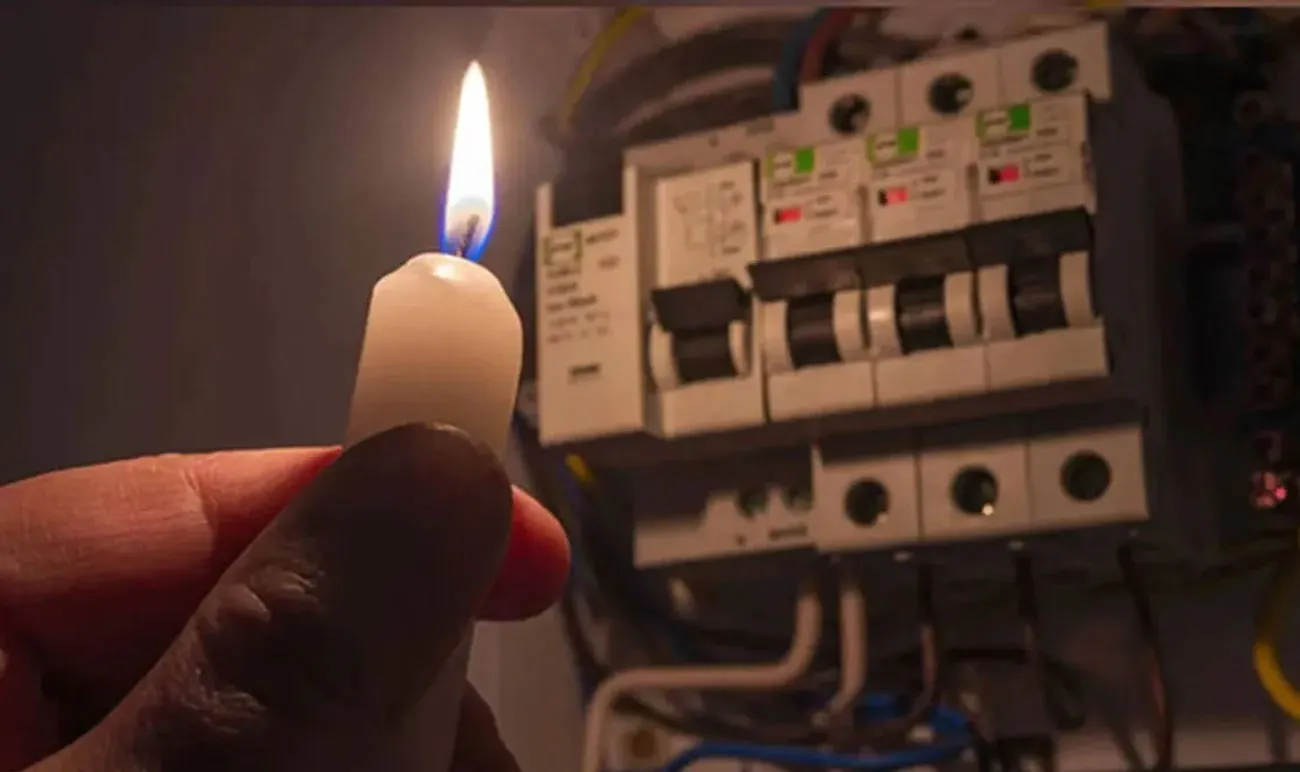
Kerala is discovering an uncomfortable truth about the energy transition: adding generation capacity does not necessarily mean having enough electricity when people need it. The state is producing more solar power than ever before, has just over 2,000 MW of hydropower capacity and is connected to the national grid, yet it is struggling to meet peak demand. Electricity demand crossed 6,000 MW in April 2026, and even in September, when Kerala would normally expect the monsoon to ease pressure on the system, demand remained unusually high. The crisis is not simply a shortage of megawatts. It is a failure to match supply with the time, place and pattern of consumption. That is a problem Kerala must solve, but it is also a warning for an India rapidly adding renewable capacity without giving equal attention to storage, demand management and grid flexibility.
For decades, Kerala managed its electricity needs through a familiar seasonal bargain. Hydropower supplied a substantial part of internal generation, while electricity from central generating stations, long-term contracts, short-term purchases and power-banking arrangements filled the gap. During summer, Kerala could borrow power and repay it after the monsoon, when reservoirs were replenished and the stored water allowed hydropower stations to run for longer hours through the year. That model is becoming increasingly fragile.
Demand is rising faster and becoming less predictable, while rainfall is more uncertain. In April, the regulator recorded weekday peak demand of around 5,900-6,000 MW, with daytime demand only about 3,500 MW. The state was simultaneously surrendering up to 1,000 MW from round-the-clock contracts, largely for coal-based power, as solar generation met more of the daytime load, which is the direction the transition should take, since all the brown electricity Kerala imports will eventually have to give way to green electricity. The difficulty lay in the evening, when the same state had to buy expensive power from the short-term market. The mismatch could not be clearer: Kerala can have more contracted power than it needs at noon and a shortage a few hours later.
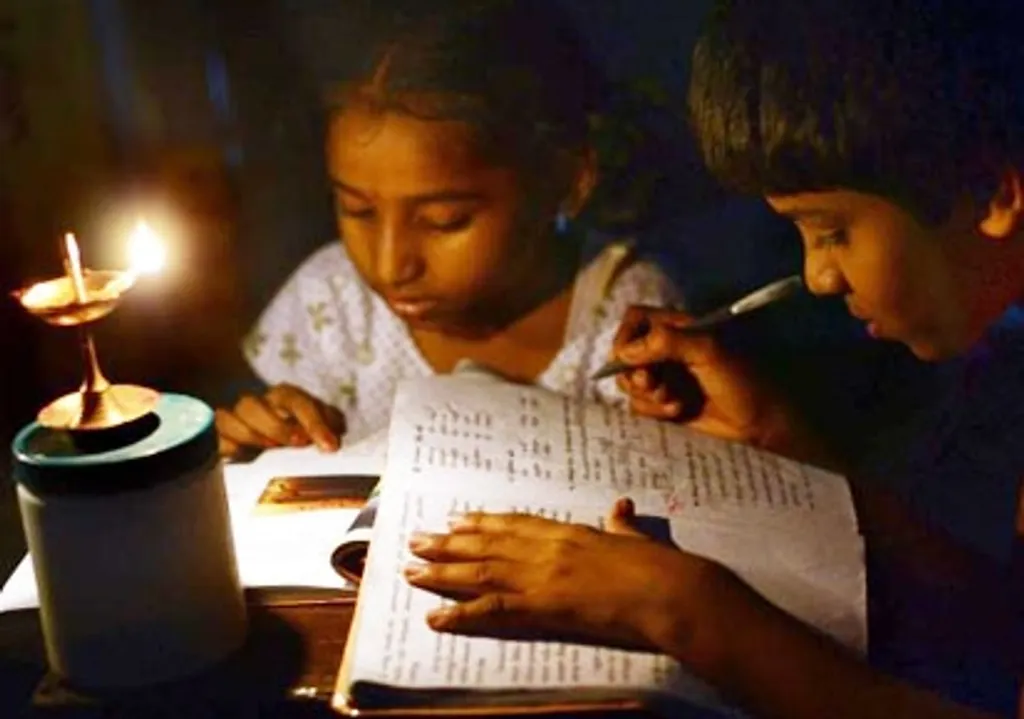
This is the central weakness in the way renewable energy is often discussed. A megawatt generated at midday is not equivalent to a megawatt available at 8 or 10 pm. Solar generation has grown spectacularly in Kerala, although it still meets only a small fraction of the state’s total consumption, and the sun sets precisely when household demand rises. Air-conditioners, fans, cooking appliances, televisions, water pumps and increasingly electric vehicles create a powerful evening load. On September 18, the state’s maximum demand reached 5,160 MW late at night, while total daily consumption touched nearly 100 million units. The fact that such a peak occurred during the monsoon season should be a warning that the old distinction between a summer electricity crisis and a comfortable monsoon is losing relevance.
Instead of depending overwhelmingly on a small number of centralised generating stations, the state can build a distributed network in which households, apartment complexes, institutions, local bodies, businesses and communities become participants in generation and storage. Consumers can become producers and, increasingly, storage providers.
Kerala’s answer cannot be another rush to build large dams. Hydropower will remain important, particularly because reservoirs can provide flexibility that intermittent renewable sources cannot. But the remaining large hydro potential is concentrated in ecologically sensitive landscapes, while projects take years to obtain clearances and reach commissioning. Kerala is also a state where extreme rainfall, landslides and other climate risks have become central to infrastructure planning. Expanding hydropower without accounting for ecological limits and climate uncertainty would merely replace one vulnerability with another. Pumped-storage projects have an important role because they can shift daytime generation into the hours of peak demand, but their gestation period means they cannot solve an immediate shortage. Nuclear power, including small modular reactors, may have a role in India’s long-term low-carbon electricity mix, but the capital cost, construction timeline, safety requirements, siting constraints and waste-management questions make it an implausible answer to Kerala’s immediate problem.
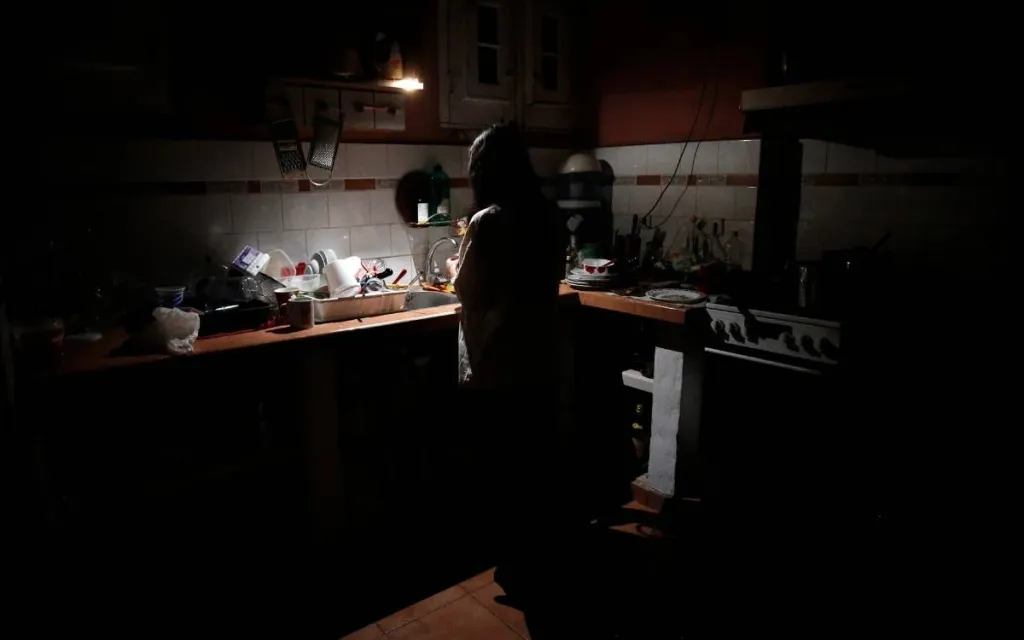
The more credible route is a diversified electricity architecture in which generation, storage, transmission, distribution and demand management are planned together, even as ownership and operation are spread across utilities, local bodies, businesses and households rather than concentrated in a few hands. Kerala’s rapidly expanding rooftop solar sector provides the foundation. Solar generation has increased nearly ninefold between 2020 and 2026, from about 275 million units to 2,421 million units. Some of this solar is already working as storage of a kind, because every unit generated on rooftops during the day allows hydropower stations to hold back and keep that water in the reservoirs for the evening, but the state has not built dedicated storage at anything close to the same pace, and for there to be enough daytime energy worth shifting, rooftop solar will have to spread far more widely and be backed by new contracts for green power. Storage can change that equation, and it will have to come at more than one scale. Utility-scale batteries and pumped storage can provide the ancillary support the grid needs to balance supply and demand, while community battery systems, whose contribution will be more limited though still significant, can work at the neighbourhood level once the distribution network is smart enough to manage them. A neighbourhood battery on such a network can store daytime solar from local rooftops and discharge it during the evening peak, reducing dependence on costly external purchases. It can also reduce stress on distribution transformers and enable more rooftop systems to connect without immediately demanding massive network expansion.
Rooftop solar is already exposing the physical limits of some local transformers. The solution is not to slow the renewable-energy transition but to modernise the grid that must carry it.
This is where Kerala can develop an energy model suited to its geography. Instead of depending overwhelmingly on a small number of centralised generating stations, the state can build a distributed network in which households, apartment complexes, institutions, local bodies, businesses and communities become participants in generation and storage. Consumers can become producers and, increasingly, storage providers. Such a model would not eliminate the national grid. It would make Kerala’s relationship with it more resilient, allowing the state to import power when economical and necessary while reducing exposure to sudden shortages and volatile peak-hour prices.
The distribution network, however, must be strengthened alongside this transition. Rooftop solar is already exposing the physical limits of some local transformers. The solution is not to slow the renewable-energy transition but to modernise the grid that must carry it. Transformer augmentation, stronger feeders, smart meters, automated controls and battery storage should be treated as core energy infrastructure rather than as secondary additions. A solar panel without an adequate network is stranded potential. A solar panel connected to a smart grid with storage is a reliable energy asset.
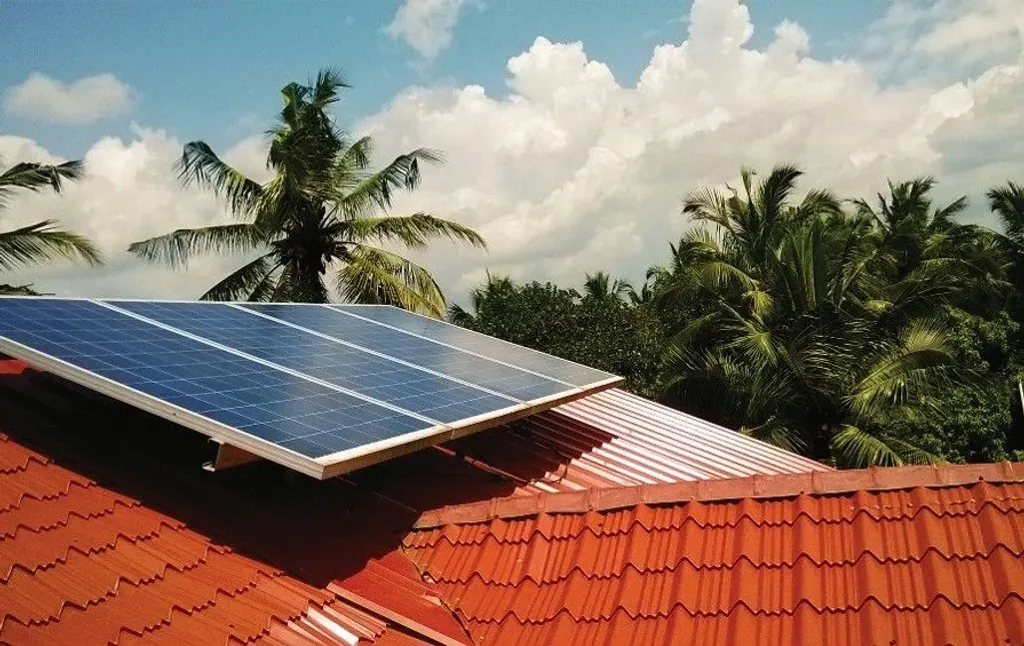
Kerala must also recognise that the cheapest unit of electricity is often the unit that does not have to be generated. Demand-side management can no longer remain a peripheral policy. Electric-vehicle charging can be shifted away from evening peaks. Commercial establishments can stagger energy-intensive operations. Large buildings can use automated energy-management systems. Efficient cooling can substantially reduce electricity demand as temperatures rise. Time-of-use tariffs can encourage consumers to move flexible loads such as water pumping, vehicle charging and some commercial operations into the hours when solar generation is available, although this cannot extend to asking households to do without lighting or cooling in the evening, and where the grid comes under pressure from genuine demand, the grid must be corrected rather than the ordinary pattern of use, even as wasteful consumption at the peak is discouraged. Energy efficiency should be treated as a form of capacity creation because every unit saved at the peak reduces the generation, transmission and distribution capacity that must otherwise be built.
Kerala’s electricity planning has traditionally relied heavily on historical patterns, seasonal assumptions and expected hydrological conditions. Climate change is making those assumptions less reliable.
The failure is one of forecasting. Kerala’s electricity planning has traditionally relied heavily on historical patterns, seasonal assumptions and expected hydrological conditions. Climate change is making those assumptions less reliable. A warmer Kerala means more cooling demand. Irregular rainfall affects reservoirs. Extreme weather can disrupt generation and transmission. Electrification of transport and cooking will create new loads. Household consumption patterns are changing rapidly. Demand forecasting must therefore become climate-informed, granular and dynamic. The question is no longer simply how much electricity Kerala will consume next year. It is how much electricity it will need at 8 pm on a hotter-than-normal day after a weak monsoon.
The state should respond on two tracks. In the immediate term, it needs adequate long-term and medium-term power contracts, increasingly for renewable power, stronger inter-State transmission links and sufficient reserves to handle seasonal shocks. It also needs to accelerate utility-scale and community-scale battery storage. In the medium term, Kerala should build a much larger portfolio of distributed renewable generation, storage, efficiency programmes and demand-response systems. Large hydropower and pumped storage can remain part of that portfolio where ecological, geological and social conditions permit. But no single technology should be allowed to become the foundation of energy security.
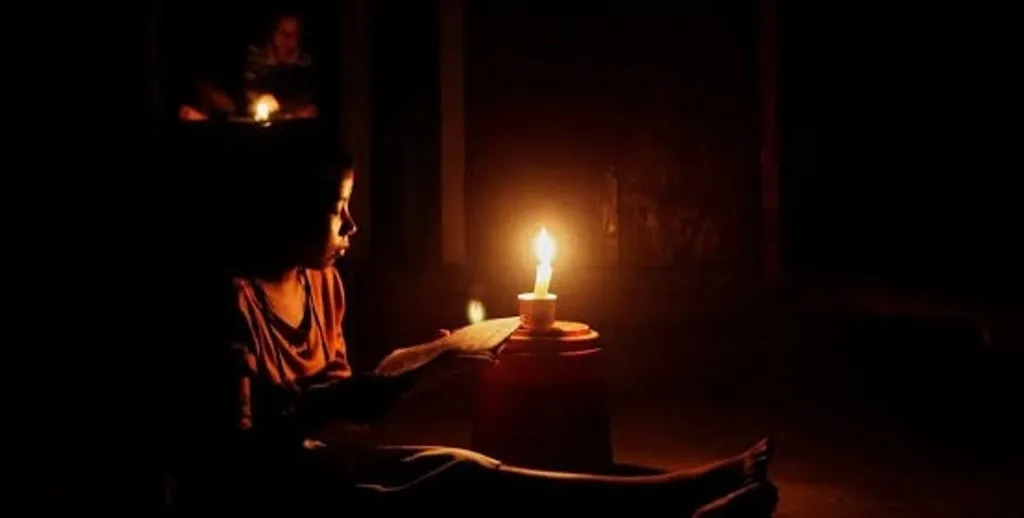
Kerala’s present predicament is therefore more than a power shortage. It is a test of whether the state can move from an electricity system organised around purchasing power and distributing it to one organised around flexibility. India will face the same test at a much larger scale as renewable generation expands, electricity demand rises and climate change alters consumption patterns. The transition will not be measured only by how many gigawatts of solar and wind are installed. It will be measured by whether electricity remains available when the sun is down, temperatures are high, reservoirs are low and the power market is under stress.
Energy security in the coming decades will belong to systems that can generate locally, store intelligently, manage demand and draw from the grid without becoming excessively dependent on it. Kerala has already begun the first part of that journey. It now needs to build the rest. The lesson is simple: the future of electricity is not merely about producing more power. It is about producing it at the right place, storing it at the right time and using it intelligently.