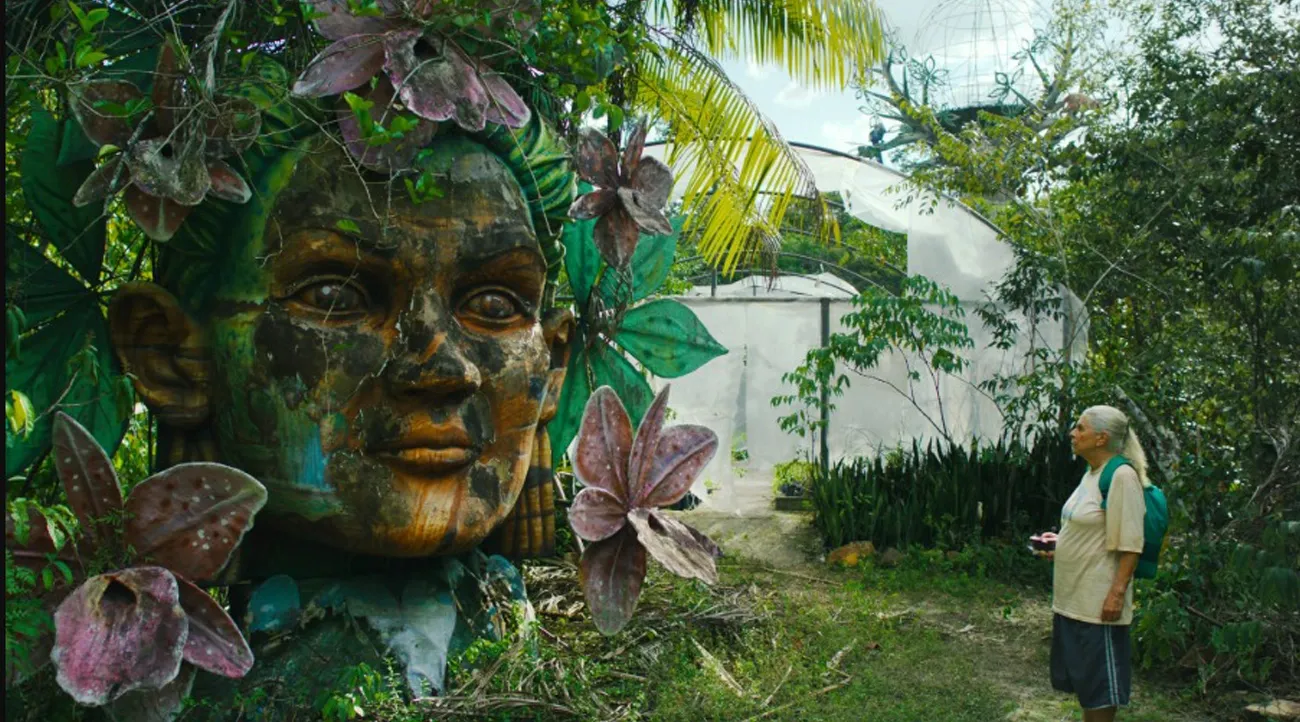
Gabriel Mascaro's The Blue Trail (O último azul), the recipient of the Silver Bear Grand Jury Prize at the 2025 Berlin International Film Festival, operates in the fascinating interstice between a near-future dystopia and a deeply resonat, contemporary fable. The film, which inaugurated Asia's largest film festival, the 56th IFFI (International Film Festival of India), immediately establishes a chilling premise: a Brazilian government has mandated the systematic removal of citizens over 80 (later reduced to 75) to state-run "Colonies," euphemistically termed protection against future economic threats. This mechanism of societal erasure, characterised by the bureaucratic humiliation and the ominous "wrinkle wagons," provides the backdrop for the extraordinary journey of Teresa (Denise Weinberg). Her quest is a uniquely life-affirming narrative, unfolding as a poetic coming of (old) age saga, where rebellion is the catalyst for genuine self-discovery.
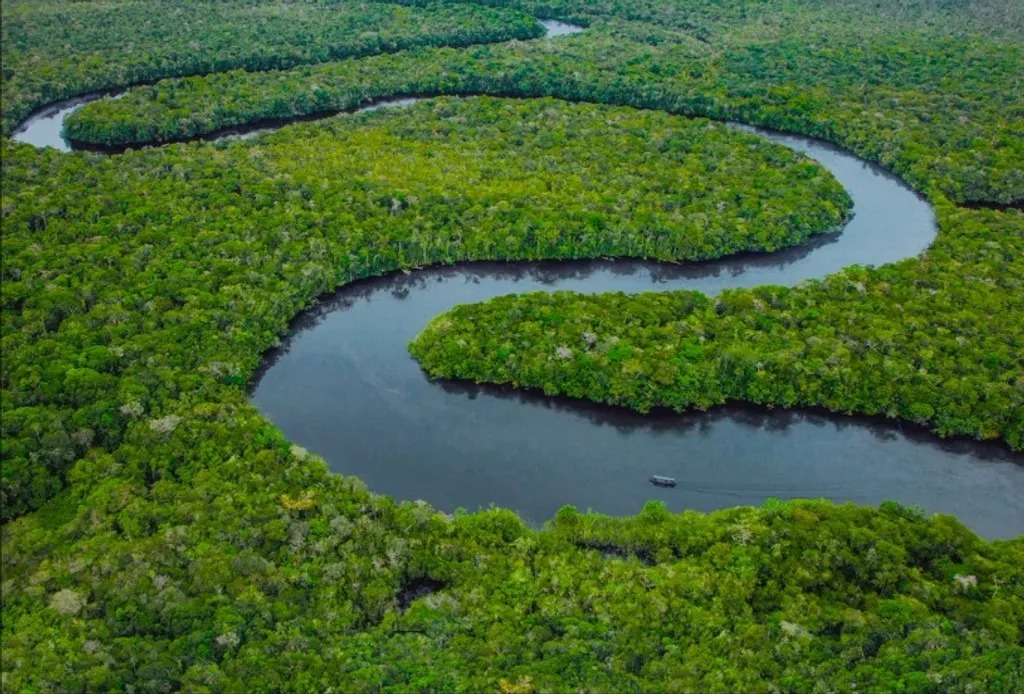
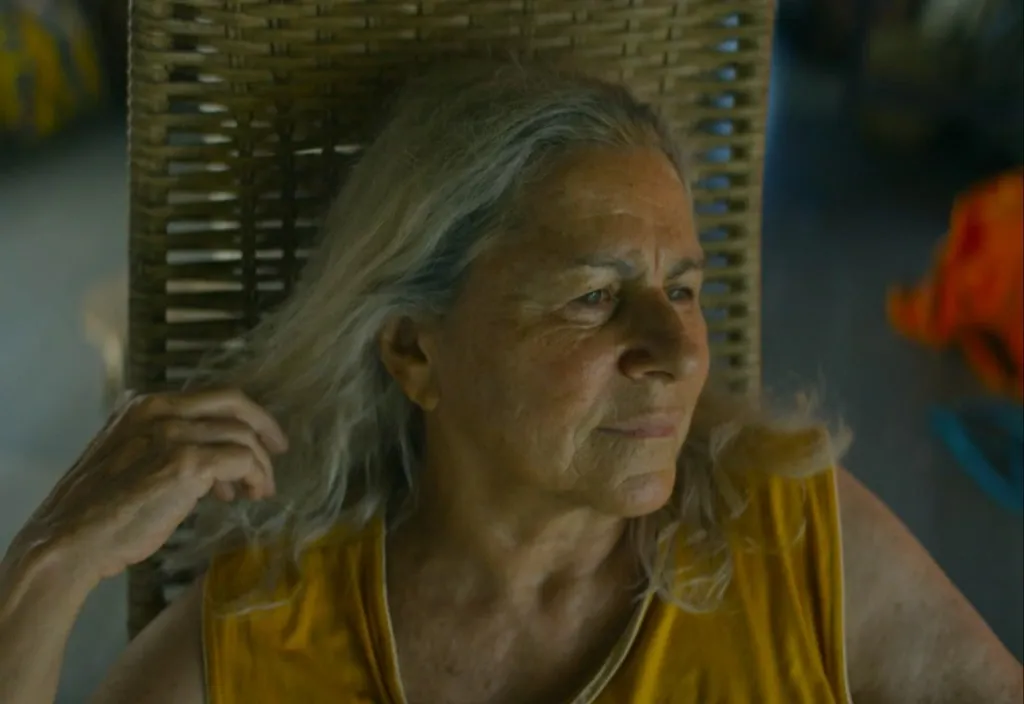
The film's conceptual brilliance lies in its treatment of narrative motion and temporal economy. The Blue Trail moves like a river, adopting a flowing, inexorable logic that dictates both the plot and the viewer's experience. This pacing creates an intense, palpable sense of time pressure. Mascaro curates evocative, often surreal scenes, yet ensures they do not linger long enough to be fully consumed. Fleeting moments such as the disorienting snail ink drooling effect, the staggering hill of rubber tyres, or the climactic, visceral sequence of the fish fight are rendered as ethereal, almost dreamlike flashes. They are visual poetry that pass quickly, only to persist in the viewer’s memory, forcing the protagonist, a formidable and Open-Minded Septuagenarian, to work capably in an alligator meat processing facility, having given little serious thought to retirement. This independence was summarily threatened when the government unexpectedly lowered the age for mandatory parental custody transferred to adult children from 80 to 75. Completely caught off guard by the new policy that sought to strip her of autonomy, Teresa was suddenly faced with an existential choice. Propelled by a friend's query about her bucket list and flatly refusing to accept the nonsensical constraints placed upon her age cohort, Teresa decides to flee.
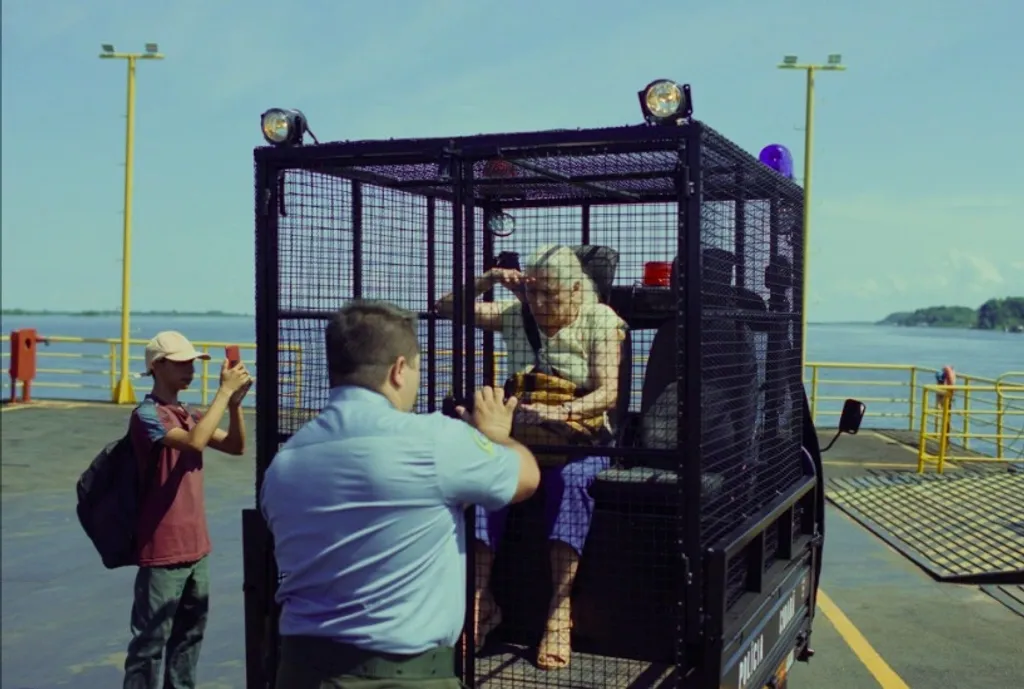
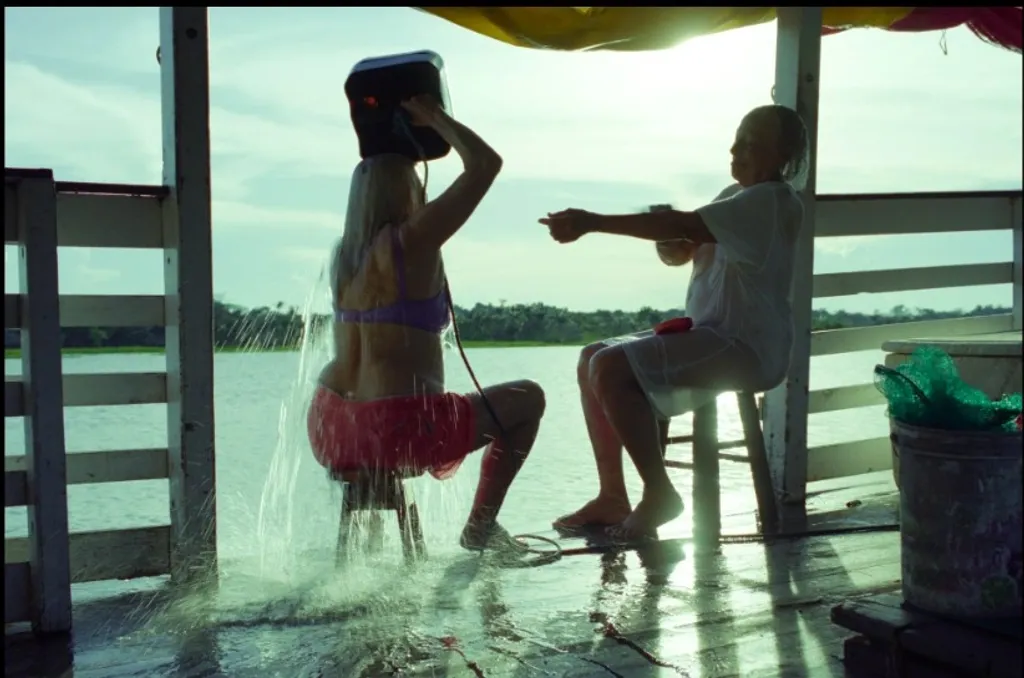
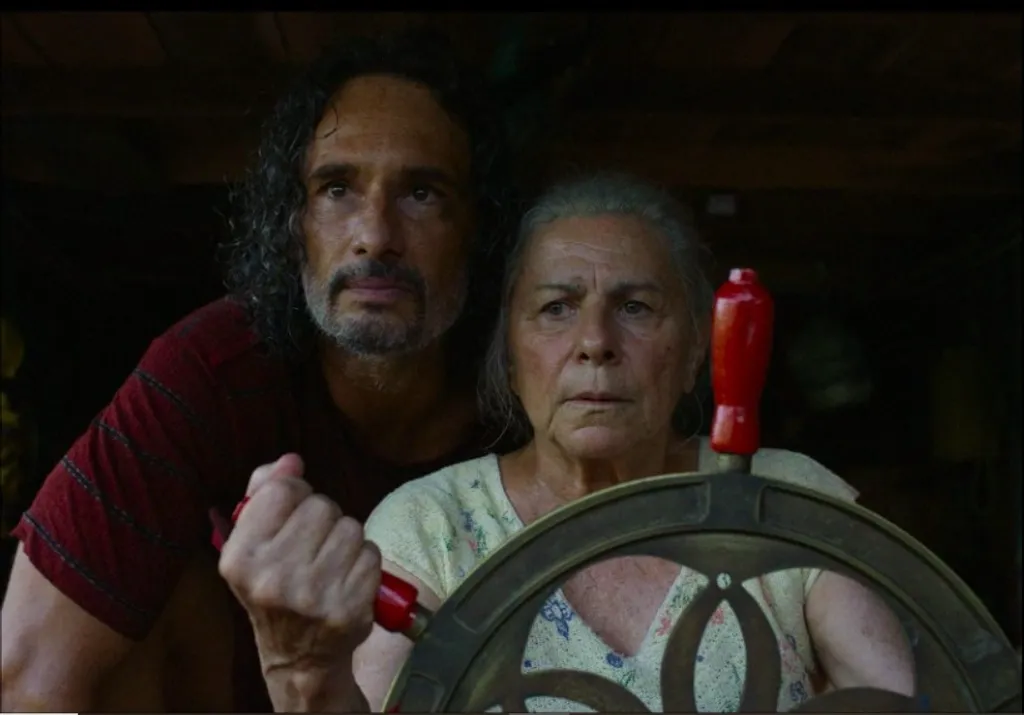
Her dream is to fly on a plane. Her path is immediately beset by bureaucratic hurdles: she cannot purchase a standard flight because her daughter, Joana (Clarissa Pinheiro), has been designated her legal guardian, requiring authorisation for all card payments. Resourceful and determined, Teresa learns of a light aircraft opportunity payable in cash at Itacoatiara. This knowledge solidifies her plan, prompting her to secure passage downriver with the crusty but receptive riverboat captain, Cadu (Rodrigo Santoro).
The film’s aesthetic choices are deeply imbricated with its political commentary. Mascaro’s use of a pristine, postcard-like 4:3 aspect ratio in the opening segment mirrors the stifling, manufactured contentment imposed on the Brazilian citizenry. This composition visually suggests confinement and paternal control, reinforced by the omnipresent, disembodied government voice broadcasting hollow sermons of national productivity.
Crucially, this controlled environment is fractured by the film’s distinctive sound design. Memo Guerra's fantastic, idiosyncratic score serves as a narrative catalyst, creating a modern fable-punk atmosphere that is both bouncy and atmospheric. The music juxtaposes a youthful, energetic sound against the reality of an ageing protagonist, refusing to let Teresa's journey be a mournful affair. Instead, the score is characterised by its quirky and insistent electronic melodies, often driven by unconventional instrumentation and rhythms that hint at a subterranean resistance. This sonic texture elevates the narrative beyond simple dystopia, infusing Teresa's quest with a disobedient, slightly rebellious energy that transforms a potential tragedy into an exhilarating, almost anti-establishment odyssey. The music signals that this is not just an old woman escaping, but a small act of creative anarchy.
The visual complement to this sonic rebellion occurs when Teresa initiates her escape. The film gracefully shifts from a dystopian critique into a spirited, picaresque river odyssey, and significantly, the aspect ratio visually expands as her adventure gains magnitude. This expansion, captured by cinematographer Guillermo Garza’s magnificent, almost John Ford-esque landscapes, creates an immediate sense of epic liberation. This visual declaration mirrors Teresa’s rejection of the state's limitations. Her quiet defiance, first subtly signalled by a spontaneous, joyous dance in the caiman processing plant, culminates in this physical and cinematic broadening of horizons.
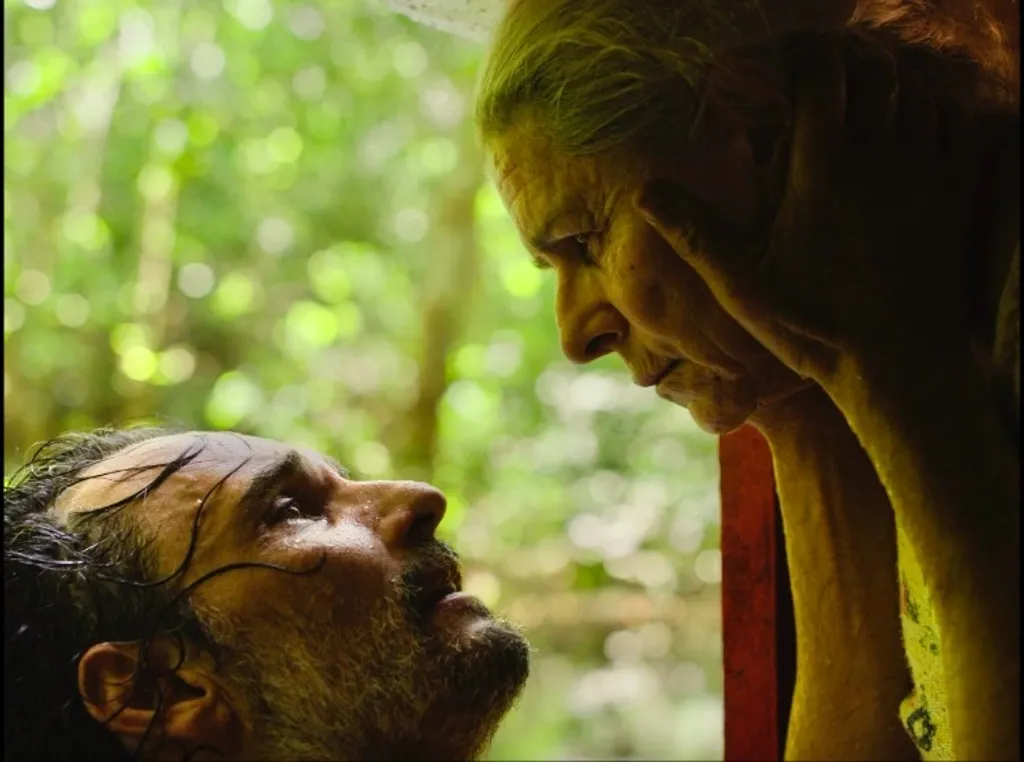
As Teresa embarks on her clandestine journey, the narrative structure deviates from conventional road-trip cinema. Unlike sagas, where companions are recruited for the long haul, The Blue Trail is fundamentally about people coming into and going out of life. No connection is permanent; the shared moments are defined by their ephemeral quality, leaving both Teresa and the audience to contemplate the depth of these passing encounters.
This structure enables the film to shift its emotional weight onto supporting figures, most notably the forlorn, crusty riverboat captain, Cadu (Rodrigo Santoro). Santoro's portrayal, though brief, is remarkable, creating an immense gravitational pull. We feel a strong desire to learn more about his profound loneliness and become invested in his untold story. A scene of profound, quiet beauty captures Cadu lying on an inflated tube, listening to music from floating speakers an image that suggests a profoundly indigenous version of a modern, relaxing spa or pool. Although the composition itself is visually perfect and serene, Cadu's face conveys an almost unbearable depth of loneliness, creating a perfect, poignant tension between the environment's utopian quality and the protagonist's internal desolation.
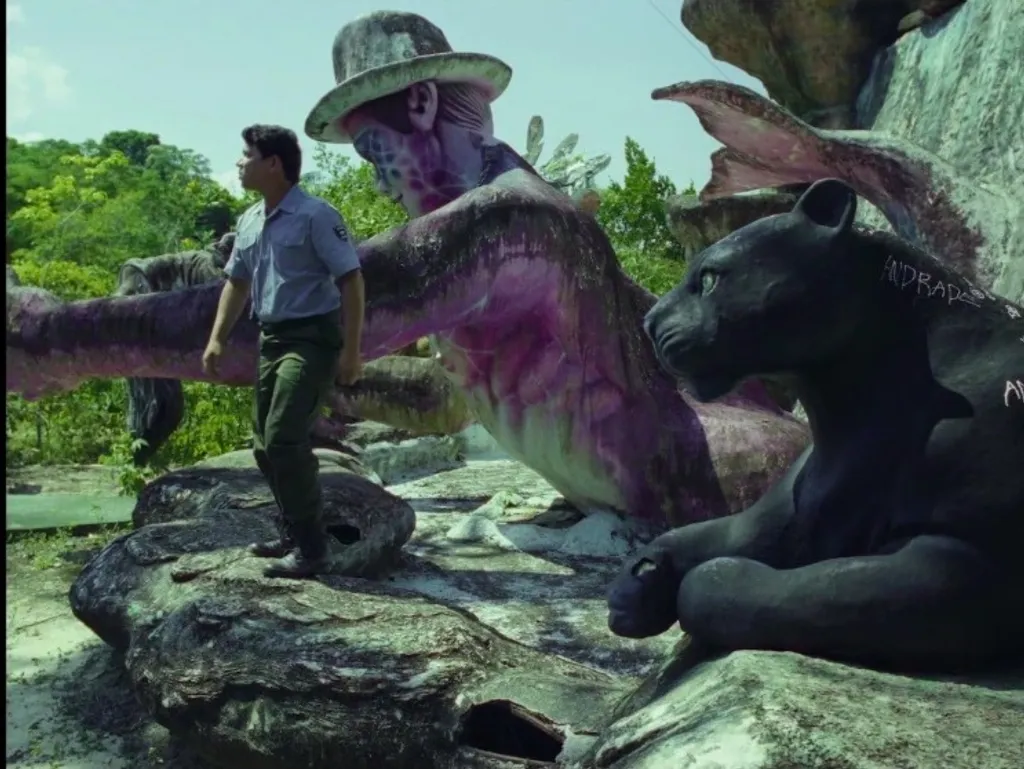
Further upriver, her path crosses with the solitary man repairing an ultralight aircraft, the very vehicle of her aspiration. Later, Teresa encounters another essential figure who embodies a life lived autonomously. She falls in with another elderly free spirit, The Nun (Miriam Socarrás), who scrapes out an existence by flogging digital Bibles from her boatside. Later, Teresa discovers a vibrant strain of counter measure utopianism in this interaction with the nun, illustrating how the ageing soul finds genuine connection and ekes out an existence free from the economic and social limitations society seeks to impose on them. They are not merely colourful additions but vital proof that a meaningful existence can be forged in the margins, away from the dictates of the paternalistic state.
The film's core philosophical tenet is the powerfully moving idea that life does not conclude at any predetermined age, and that it is never too late to discover new facets of the self. Teresa’s journey, spurred by an impulse to fulfil a dream of flight, is ultimately a transcendent act of self-liberation that resonates universally, regardless of age.
Crucially, the Blue Trail refuses to provide a readymade conclusion. Mascaro denies the viewer the tidy resolution but provides hope. One feels profoundly optimistic after watching the film. The message is clear: true freedom lies not in achieving a specific goal but in the act of defiance itself. Teresa’s realisation that her power resides in her own capacity for rebellion and the brief, sincere human connections she forges is the film's most potent takeaway. This striking, life-affirming near-future odyssey uses the dynamic flow of the river to comment on the fluidity of time, the fleeting nature of solidarity, and the enduring power of individual spirit, establishing itself as a deeply comforting and profound cinematic gem.
(The cast and crew of the film, including María Alejandra Rojas, Arturo Salazar RB, Clarissa Pinheiro, Rosa Malagueta and Gabriel Mascaro, graced the Red carpet for the opening of the 56th IFFFI)