
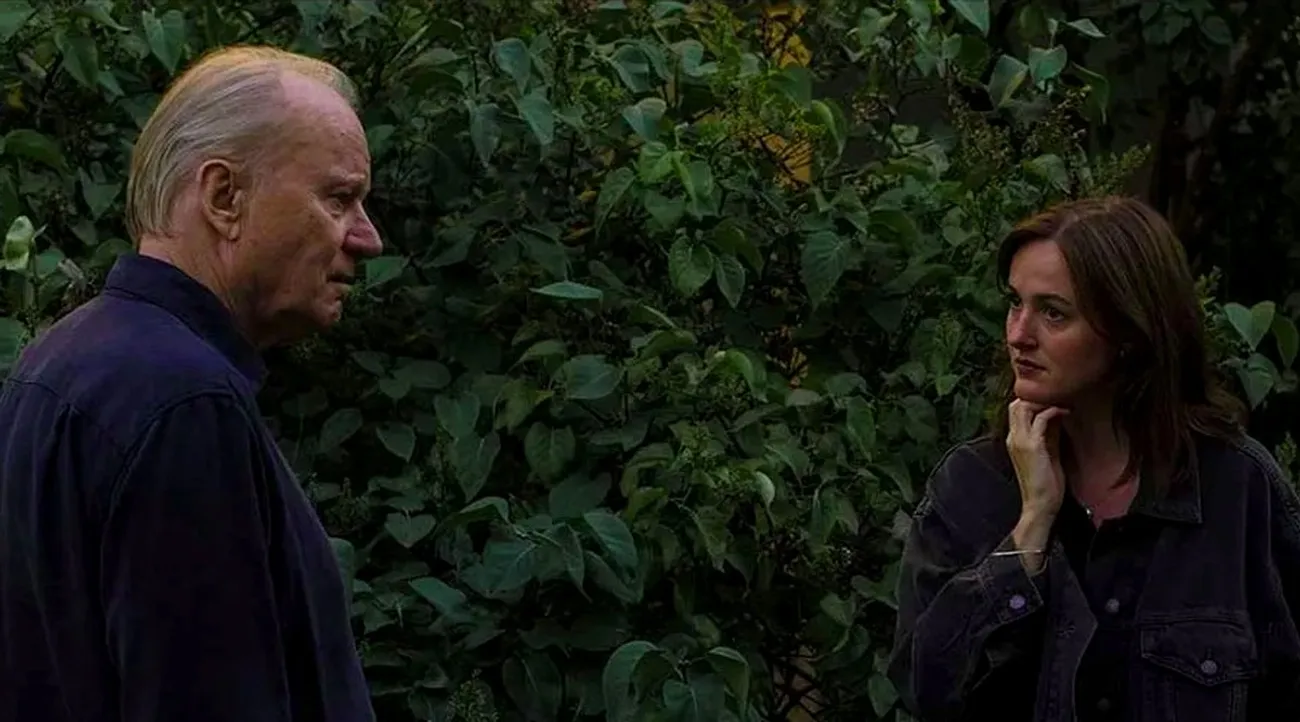
Sentimental Value (Affeksjonsverdi) is a mesmerising phenomenological study rendered in light, shadow, and silence, meticulously documenting the psychic topography of a fractured family. The film constructs a complex inter-generational trauma narrative centred on the return of the prodigal patriarch, Gustav Borg (Stellan Skarsgård), a fading auteur whose emotional landscape remains perpetually arrested, stunted by the primary tragedy of his life: the suicide of his mother in the very house that anchors their shared history. His inability to form conventional, healthy bonds with his daughters is fundamentally rooted in this unresolved grief and sense of abandonment.
The elder daughter, Nora (Renate Reinsve), is the primary inheritor of this psychic scar. Her professional life - a successful stage actress perpetually besieged by debilitating stage fright functions as a profound Freudian symptom. Her compulsion to inhabit fictional personae springs directly from her deep discomfort with her own identity, an evasion amplified by her father's re-entry. The film expertly stages this conflict through Gustav's audacious, almost cruel, proposition: offering Nora the lead role in a new script, a barely veiled biopic of her own deceased grandmother.

This artistic offering is far more than a professional proposition; it is a psychoanalytic artistic compass. Gustav compels Nora to become the ghost of the trauma that shaped him and her. Gustav makes a desperate attempt to create a world on screen, coming from the shattered relationships and the sinking house he abandoned. He hasn't sat down with her to discuss life and moments after he left the house, and now, because he has a script, he wants her to act in it. Nora's fierce refusal is not merely a professional rejection; it is a vital act of psychic autonomy, a refusal to be sacrificed on the altar of her father-daughter's unresolved history. She detests the idea of working with a father who was never there for his daughters.
Trier frames this parental failure using a distinct meta-cinematic critique. Gustav's career decline, coupled with his strategic adoption of Netflix financing, becomes a poignant metaphor for the dilution of artistic integrity when confronted with genuine emotional stakes. The casting of the young, accessible American star Rachel Kemp (Elle Fanning) in Nora's intended role forces Nora to witness the aestheticisation and commodification of her own family's pain by an outsider. The scenes depicting Gustav guiding Rachel with a paternal warmth conspicuously absent in his interactions with Nora become moments of profound, silent cruelty, reinforcing that his capacity for affection is tragically conditional upon performance and narrative utility.
The Borg family mansion is elevated beyond a mere setting to an active, sentient entity, a concept rooted in architectural phenomenology. This imposing Dragestil structure a distinctively Norwegian style is visually presented as a direct mirror to the family's fractured internal state, specifically through the unsettling motif of the visible fissure running down its façade. This damage is not just structural; it is a symbolic crack in the foundation of the family's historical continuity, a literal rendering of their psychological instability.

The house functions as the family archive, a container where history is not simply recorded but felt. The prologue establishes the house's "thoughts and feelings," and the narration is delivered by an ageing woman's voice, suggesting the house itself is the primary, resonant narrator of its own slow demise. The old stoves and timbers physically retain the unsaid truths and suppressed emotions of generations. By using the house as the filming location, Gustav transforms the most intimate domestic setting into a liminal space the volatile threshold between reality and fiction. The family is forced into constant, uneasy co-existence with the creative process that seeks to exploit their past, making the house an unbearable site of both belonging and alienation. The description of the house as possessing the gravitational force of a celestial body nearing collapse underscores the sense of inevitable catastrophe; the threat of its sale or structural failure mirrors the family's potential for total psychic disintegration.
The historian-sister, Agnes, attempts to confront this architecture of grief through academic rigour. Agnes spends time in libraries reading archival material about people tortured during the war. Her methodology contrasts sharply with Gustav's artistic, manipulative approach: Agnes seeks the historical truth of her grandmother through documentation; Gustav seeks emotional resonance through dramatic performance.
The sisters' bond provides a crucial counter-narrative, offering an escape vector from the cycle of parental neglect. In a poignant scene, when both sisters: Agnes and Nora and talking about growing up together listening to their parents fight day and night, Nora says that how did I end up as a messed updaughter and you so kind and caring when both of us had same upbringing, to which Nora responds warmly, 'Because I had you, you are caring Nora'. This dialogue evocatively establishes Nora as the primary emotional sacrifice, confirming that her own care-giving provided the lifeline that rescued Agnes, leaving Nora herself tragically abandoned in her adult years a profound psychological truth behind her professional anxiety.
The film is steeped in the tradition of the autobiographical, confessional masterwork, consciously engaging with the legacy of directors whose personal lives were often a source of great chaos.
The film directly mirrors the Bergmanian paradox: the belief that extraordinary art can often emerge from a fundamentally "messed up" and destructive personal life. Ingmar Bergman, like Gustav Borg, achieved scripts of profound clarity despite complex personal relationships. The film asks the burning ethical question: Can kindness in art and kindness in relationships exist? Gustav offers Rachel professional kindness (insight, encouragement) that he denied his own daughters. This implies a terrible duality: his capacity for mercy is only activated when safely mediated through art, while true, messy, unconditional familial love (relationship kindness) remains elusive because it requires a vulnerability Gustav cannot muster. Joachim Trier is well-versed in messed-up characters who are even aware that they are messed up. Nora's stage performance in Medea a canonical figure of familial destruction and rage foreshadows her own internal breakdown. The subtle visual nod to Ingmar Bergman's Persona (1966) underscores the film's thematic concern with identity erosion and the blurring of selfhood.
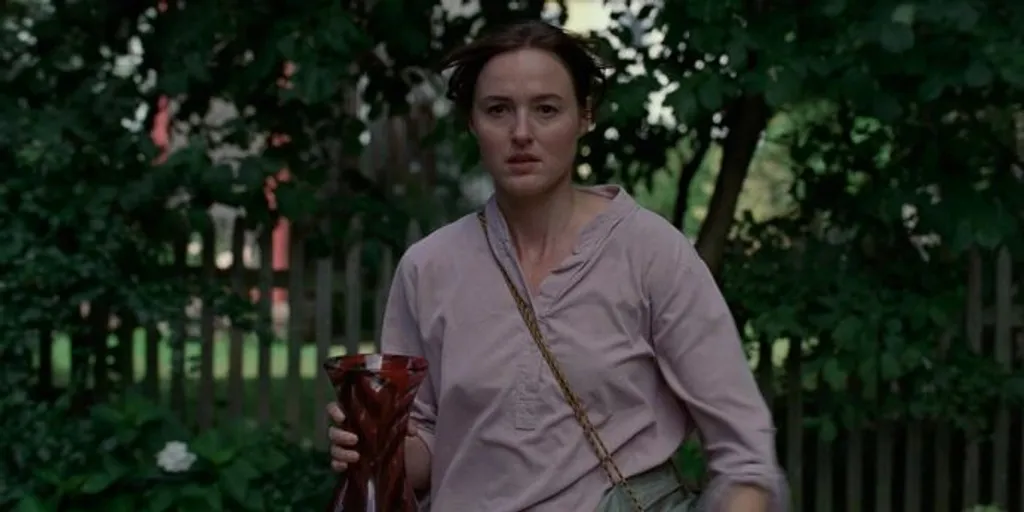
Sentimental value reminds us of Pedro Almodóvar's Pain and Glory (2019) and how both films utilise filmmaking as the exclusive mechanism for healing and sanity when personal life has dissolved. In Almodóvar's work, Salvador Mallo finds salvation not in direct confrontation, but through the act of making art from his life. Similarly, Gustav's new script acts as his involuntary therapy session. Sentimental value addresses family wounds indirectly in the backdrop of filmmaking. Although Nora refuses this indirect healing, the film's ultimate resolution is achieved not through a dramatic apology but through a silent, shared presence in the final scene, made possible only because the filming process forced the Borg family back into the same physical and emotional space the house. The act of creating provided the shared crucible the family needed to navigate their "resentful ocean of lost time."
The film's symbolic climax is illuminated by Alejandro Jodorowsky's concept of Psychomagic, which uses symbolic, artistic, or theatrical acts to "reconcile relationships and give new dimensions" to inherited trauma.
The final scene, revolving around Gustav's mother before she commits suicide, can be interpreted as a moment of Psychomagic orchestrated by Trier. Jodorowsky argues that trauma is passed down until a symbolic act breaks the chain. By the final scene, the three generations (Grandmother's trauma, Gustav's abandonment, Nora and Agnes's estrangement) are forced into an emotional overlap. The ghost of the mother is finally addressed, not through dialogue, but through the profound, shared understanding reached by the living family members. The family does not return to a simple, "healed" state; instead, they achieve a new dimension of co-existence. The silent communication in the final moment is the actual Psychomagic act, offering a symbolic resolution that verbal language could never provide.
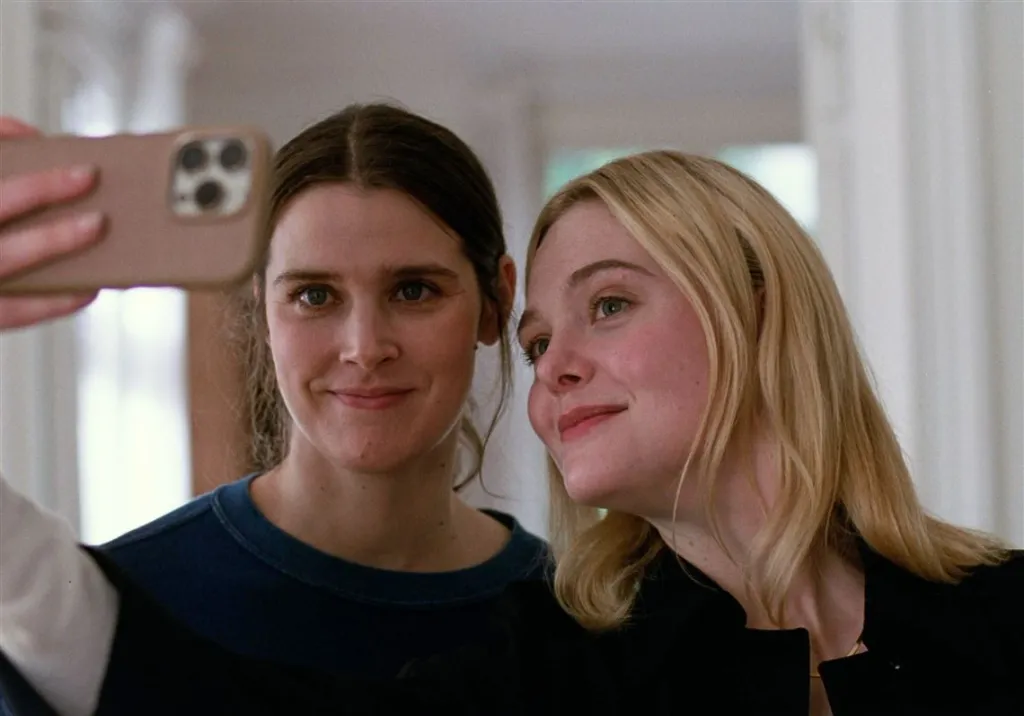
Trier and Eskil Vogt's dazzling screenplay employs a novelistic structure, utilising segment breaks and an extensive, lyrical voiceover to articulate the characters' interiority. The film is segmented with brutal cuts to black, each a pause, a moment for the viewer to breathe in the weight of the unfolding chapter a stylistic rhythm that suggests the contemplative structure of great literature. This moves the film into the realm of literary cinema, allowing for a nuanced exploration of complex psychological states that conventional dialogue might flatten.
The film's ultimate brilliance lies in its sustained commitment to ambiguity and emotional complexity. The path to understanding is paved not with apologies, but with small, unspoken gestures: a shared cigarette, a knowing laugh over the gift of shockingly inappropriate DVDs. The repeated emphasis on Gustav's guiding philosophy" It's hard to love someone without mercy" becomes the film's moral centre. The powerful final beat, devoid of dialogue, suggests that the family finally finds a way to commune through silence, that they manage to look upon their flawed patriarch and the flawed self reflected in him with a challenging, but necessary, mercy.
The house, the trauma, the art: they all converge. Gustav Borg used filmmaking to avoid dealing with life; Nora uses acting to hide from herself. Yet, their conflict reveals that the artistic impulse, even when born from narcissism and neglect, can unintentionally create the very "perfect sync between time and space" necessary for healing. Trier and Vogt's dazzling screenplay suggests that, while artists may be poor parents, their art can become a vessel for healing. The emotional truth they unearth through their unwilling collaboration ensures the survival of the sentimental value of their shared, painful lineage. Sentimental value is an achievement in contemporary European cinema and was awarded the Grand Prix at the Cannes Film Festival. The film was screened at the 56th International Film Festival of India (IFFI) in Goa.