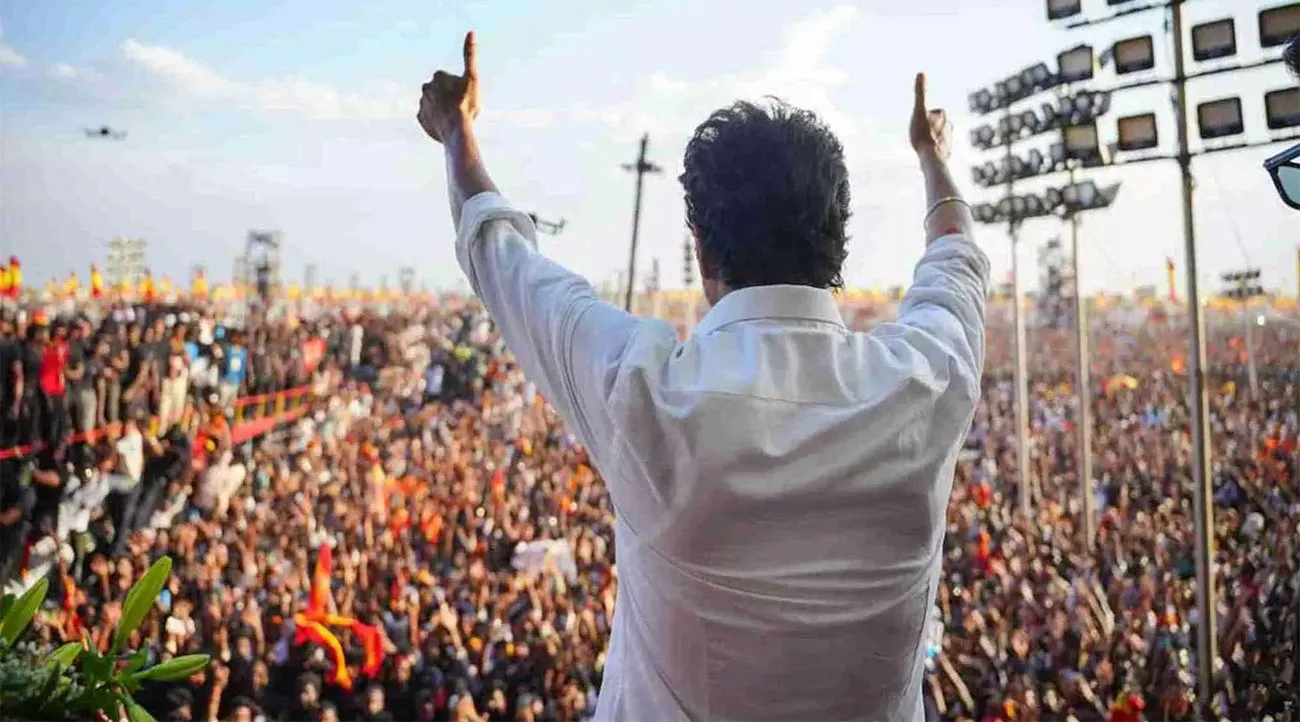
What shocks me most about this electoral victory is not merely the scale of it, but the terrifying ease with which spectacle has replaced substance. I find myself embarrassed not just politically, but existentially. The loud celebration of a victory achieved without the burden of ideological clarity, sustained grassroots engagement, or any meaningful history of public service feels like a devastating commentary on the times we inhabit.
I am numb as I write this. Trying to process what this moment means not only as a citizen, but as an artist who has always believed that public life must emerge from lived realities, from communities, from struggle, from accountability. If charisma alone can eclipse political thought, if image can so effortlessly overpower work, then one is forced to confront difficult questions about the very meaning of political labour and cultural responsibility.
Perhaps what unsettles me most is the collapse of basic common sense in public discourse. We are no longer debating policies, ethics, or collective futures. We are witnessing the triumph of projection, fandom, and emotional manipulation masquerading as democratic awakening. And in that noise, genuine political work - slow, imperfect, community-rooted work appears increasingly invisible.
Today, I feel disoriented. I am trying to understand my own place within this society, my role as an artist, and whether art still has the power to nurture critical thinking in a culture rapidly surrendering itself to personality cults and manufactured hope.
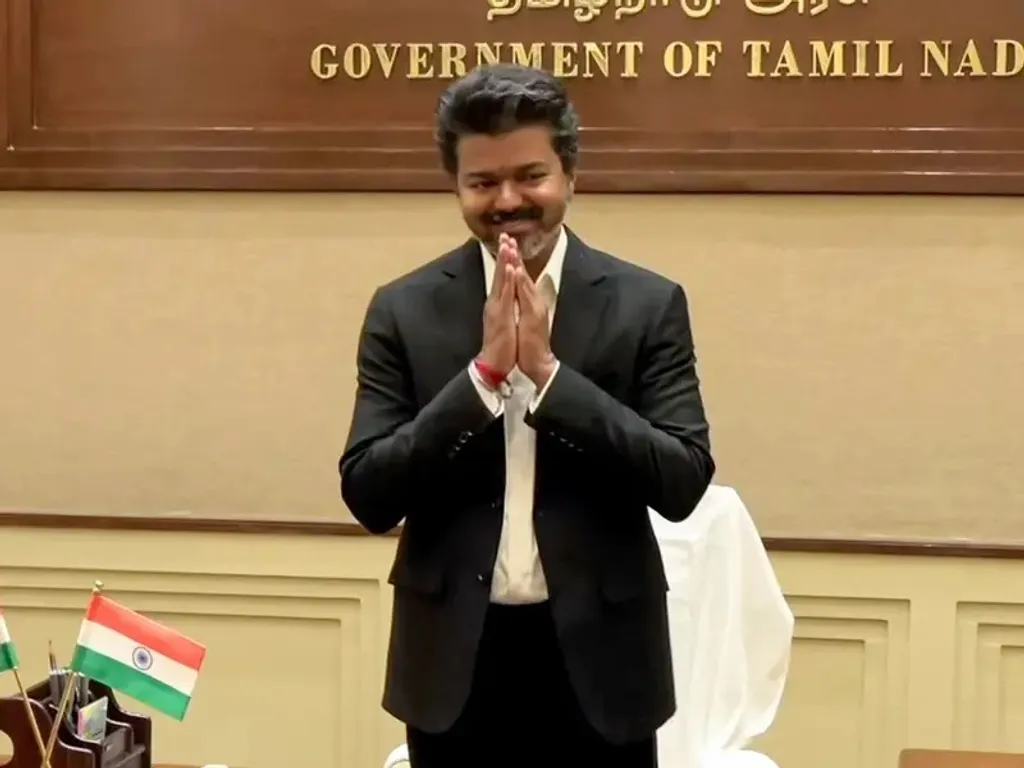
Maybe this moment demands not withdrawal, but deeper introspection. But for now, I remain shocked by how effortlessly spectacle has conquered substance.In a democracy, the highest office is the office of the citizen. Democracy survives not merely through elections, but through the moral and intellectual responsibility exercised by ordinary people while choosing who deserves power.
That is what deeply unsettles me about this moment. Vast numbers of people appear to have voted for a singular name and a symbol without even making the minimal democratic effort to know who the candidates are, what they stand for, what political vision they carry, or what history of public work they bring with them. Electoral participation alone does not strengthen democracy; informed participation does.
The word I keep hearing everywhere is “change.” People wanted change. But what exactly do we mean by change? Is exhaustion with the existing order enough reason to surrender ourselves to charisma, mythology, and projection? Can an illusion become a political programme merely because enough people emotionally invest in it?
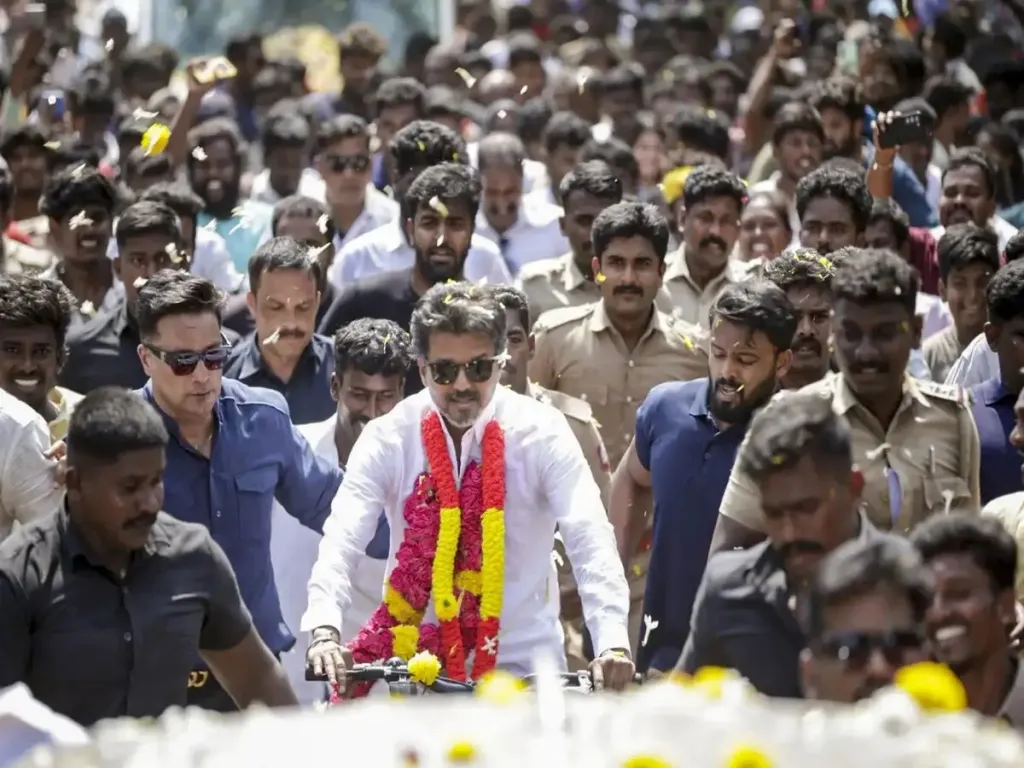
Real change is difficult. It demands political imagination, ideological clarity, reasoning and dissent, sustained engagement with the lives and welfare of ordinary people. It asks citizens to think critically, to question power, to examine contradictions, and to participate beyond moments of mass excitement. But increasingly, what we are witnessing is the reduction of politics into spectacle where image triumphs over inquiry and fandom replaces democratic consciousness.
Perhaps the most painful realization is this: democracy is far easier to lose than we imagine. Not always through coups or dictatorships, but slowly through apathy, hero worship, political illiteracy, and the normalization of uncritical faith. Maybe democracy is never fully won. Maybe it survives only as long as citizens are willing to defend it through thought, vigilance, and responsibility.
Is the present moment a symptom of what happens when people are no longer treated as citizens, but merely as data points populations to be studied, profiled, emotionally triggered, and ultimately steered toward a power already curated by crony capitalism?
Are we witnessing the transformation of democracy into a behavioural marketplace, where public consent is manufactured through spectacle, algorithms, celebrity culture, and carefully engineered emotional narratives? At what point does collective aspiration stop being political consciousness and become mass persuasion masquerading as popular will?
What disturbs me is the possibility that people are gradually being detached from reason itself seduced instead into a kind of mass hysteria packaged as revolution. The language of “change” is deployed everywhere, but stripped of ideological depth, historical understanding, or structural analysis. The performance of disruption is replacing the hard labour of transformation.
And so one cannot help but ask: is this truly change, or merely the simulation of change? A manufactured rupture designed to preserve the very structures it claims to oppose? When politics becomes inseparable from image management and mass emotional engineering, democracy risks becoming less an exercise of collective reasoning and more a theatre of manipulation.
Perhaps the greatest danger is not authoritarianism announcing itself openly, but its arrival disguised as hope, entertainment, and public enthusiasm.
Perhaps that is why I feel profoundly lonely in this moment. Not because a particular political figure has won, but because of what this victory seems to reveal about the times we are living in. It feels as though the distance between political consciousness and public emotion is widening rapidly. I suddenly find myself unsure whether the language I have trusted all my life dialogue, ideology, social justice, rationality, collective responsibility still has a place within mass public imagination.
As an artist, I always believed art could intervene in society meaningfully. That cinema, literature, music, and cultural conversations could deepen political awareness, complicate simplistic narratives, and nurture empathy and critical thought. I believed people could still be engaged through reason and moral reflection. But today, I find myself asking difficult questions: who am I really speaking to anymore? Citizens capable of critical engagement, or audiences shaped by algorithms, spectacle, celebrity culture, and emotional engineering?
Maybe what unsettles me is not merely the electoral result, but the realization that we may be entering a political era where image travels faster than truth, where visibility matters more than ideological clarity, and where emotional projection has overtaken political inquiry. In such a climate, a politically conscious artist begins to feel displaced almost like someone speaking a slower, more difficult language in a world addicted to instant emotional gratification.
And yet, I also realize that this loneliness may not be entirely personal. Perhaps it belongs to everyone trying to remain politically human in an age increasingly shaped by data authoritarianism, mass persuasion, and manufactured consent. Perhaps many people silently feel this exhaustion and confusion, but lack the language to articulate it.
So maybe the question before me is no longer whether society is listening. Maybe the question is whether I still have the courage to continue speaking with honesty, complexity, and conviction even when spectacle appears to have conquered substance.
Because if art too surrenders to hysteria, branding, and simplification, then who will continue the slow and necessary work of keeping thought alive?