
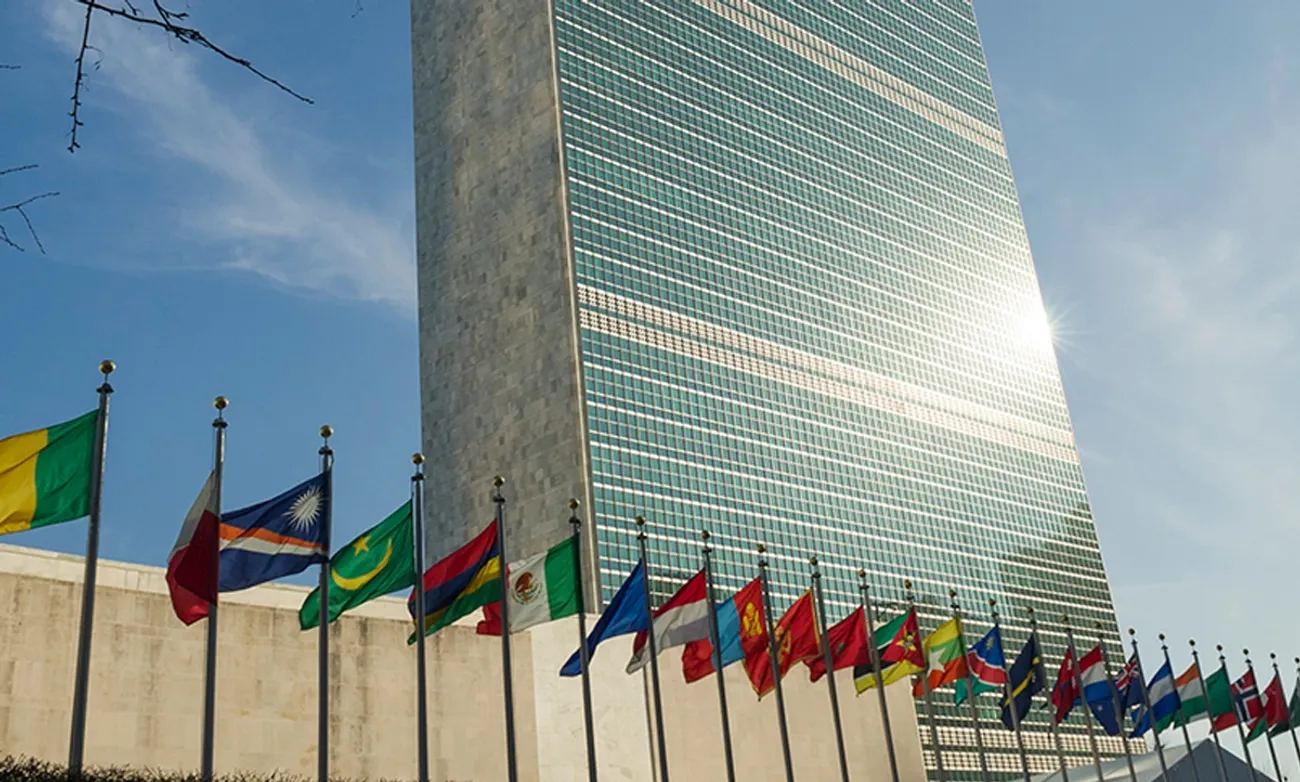
Every September, the world comes to New York. Diplomatic traffic clogs Manhattan, security barriers cause gridlock, and inside the United Nations, leaders from nearly every nation take their turn at the same podium with the all too familiar green marble background.
For a brief week, countries separated by geography, wealth, military power and political ideology occupy the same stage.
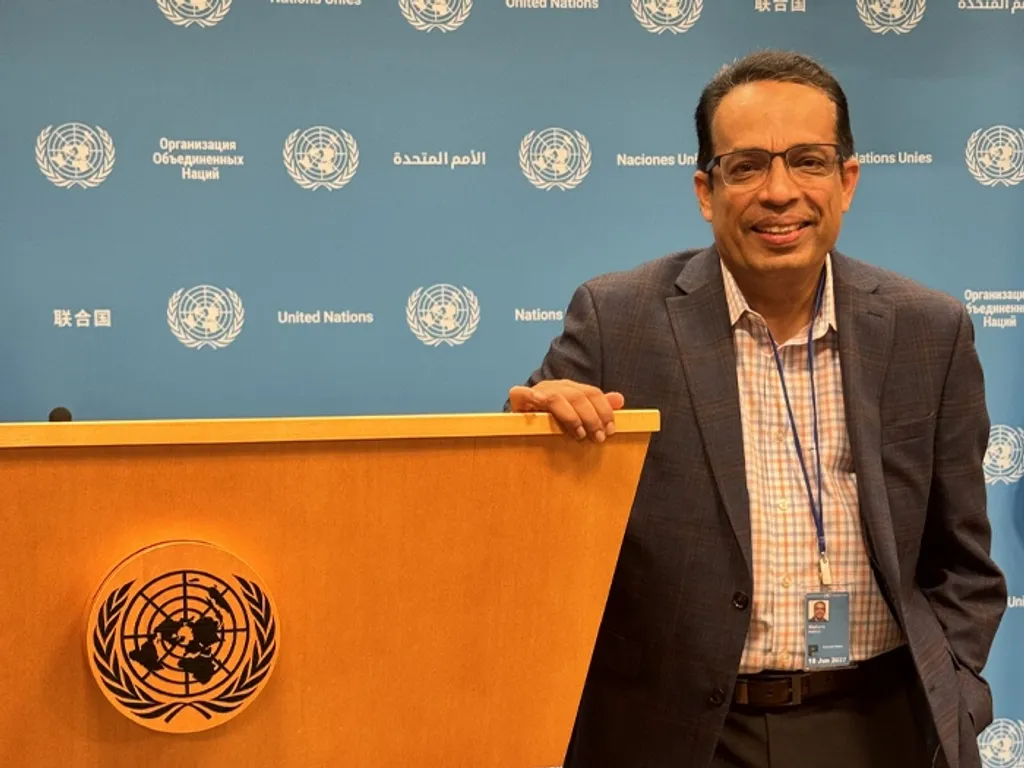
I have covered the United Nations and its annual General Assembly as an accredited journalist for many years, including this year. And each time, as speeches follow speeches and conflicts continue outside those walls, the inevitable question returns: What exactly did all of this achieve?
It is a fair question.
Leaders and representatives from more than 190 countries came to New York this year to speak about wars, economic uncertainty, climate change, development and a world increasingly divided by competing interests. There were bilateral meetings, diplomatic encounters and declarations of principle. But the public should not expect a week of speeches to suddenly end wars or erase deep geopolitical divisions.
That does not make the gathering meaningless.
The General Assembly remains one of the few places where the microphone does not belong exclusively to the powerful. The president of a superpower and the leader of a small island nation stand before the same emblem and at the same podium. Their influence may not be equal, but their opportunity to address the world is.
For one week every year, almost the entire world still agrees to come into one building, listen, however reluctantly, to one another, and speak rather than remain silent.
That matters. At a time when global politics is increasingly shaped by military power, economic leverage and competing alliances, there is still value in bringing almost every nation into the same room. Diplomacy can be painfully slow and often frustrating, but a world in which nations stop talking is far more dangerous.
There is also another United Nations, one largely invisible during the spectacle of General Assembly week. Away from the motorcades and speeches, UN agencies work every day with refugees, hungry children, displaced families and communities devastated by war, disease and natural disasters. Much of that work goes unnoticed amid the cacophony of conflict and political distress.
None of this means the UN should escape scrutiny. Its institutions reflect another era, its Security Council is frequently paralyzed by competing interests, and its inability to prevent or end major conflicts understandably raises questions about its relevance.
But perhaps the annual gathering should not be measured simply by the number of agreements announced before the motorcades leave New York.
For one week every year, almost the entire world still agrees to come into one building, listen, however reluctantly, to one another, and speak rather than remain silent.
In the world we live in today, that is not an insignificant achievement.